THS Logo
‹ BACK
A black button with "Download on the App Store" textA black button displaying the Google Play Store logo with "Get it on Google Play" text
A black circle with a white X on it centered.

Are fractals nature’s native language?

Examine the breathtaking creativity of the universe, found in the most unexpected corners of our lives—in a fern frond, a snowflake, a coastline.
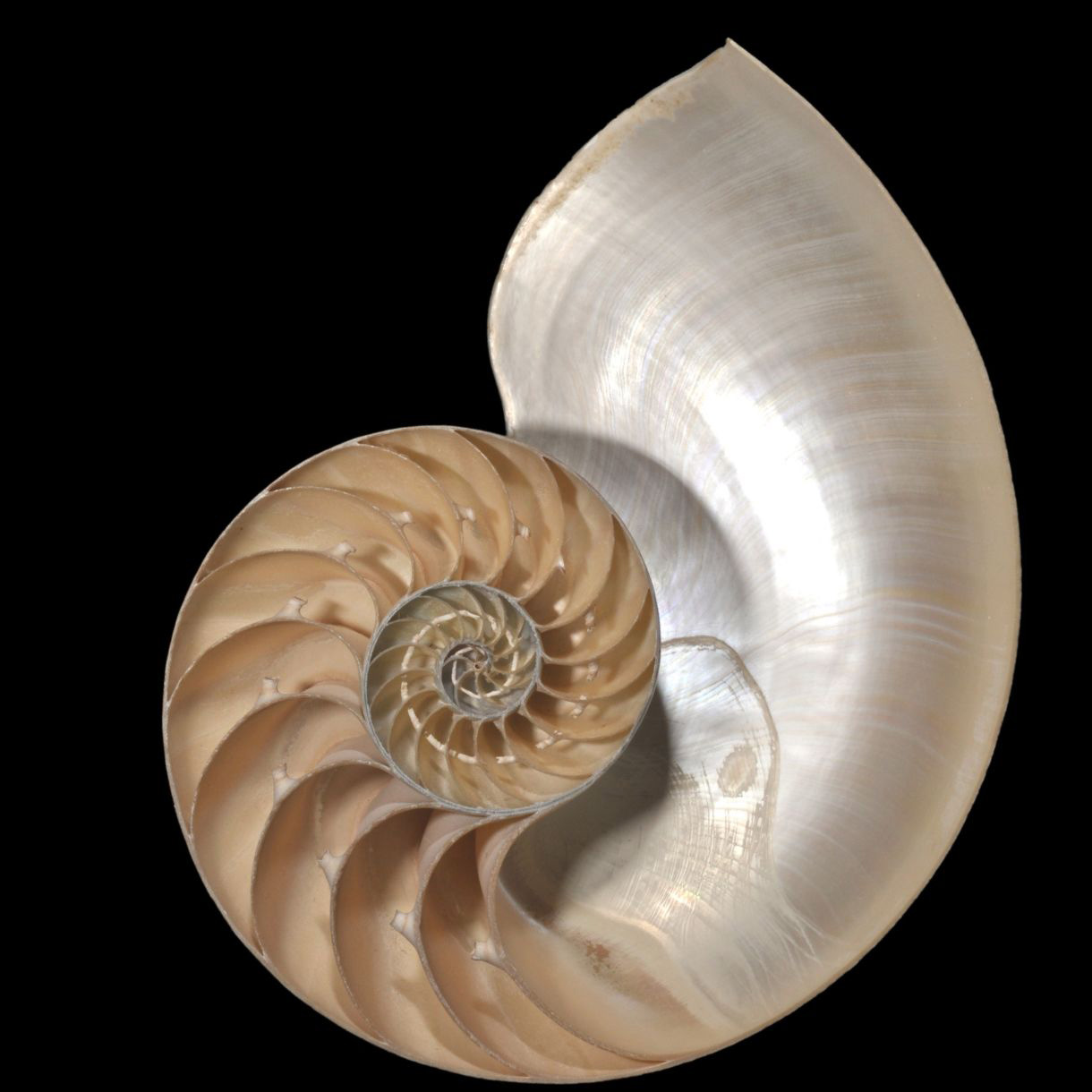
A cross-section of a nautilus shell reveals a pearly spiral of progressively smaller internal chambers against a black background.
Rough around the edges
Fractals are like endless nesting dolls. Explore these geometric wonders.
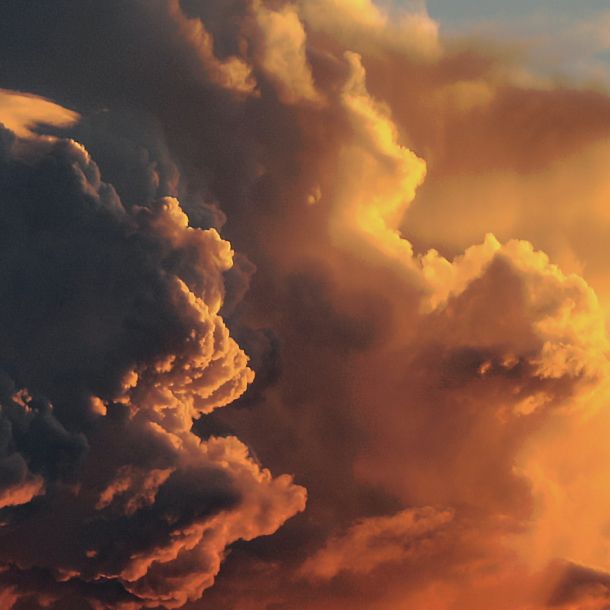
Towering storm clouds glow orange and gold in warm sunlight, with darker gray clouds filling the left side.
Fractals and poetry
The hidden layers of meaning within the chaos of free verse.
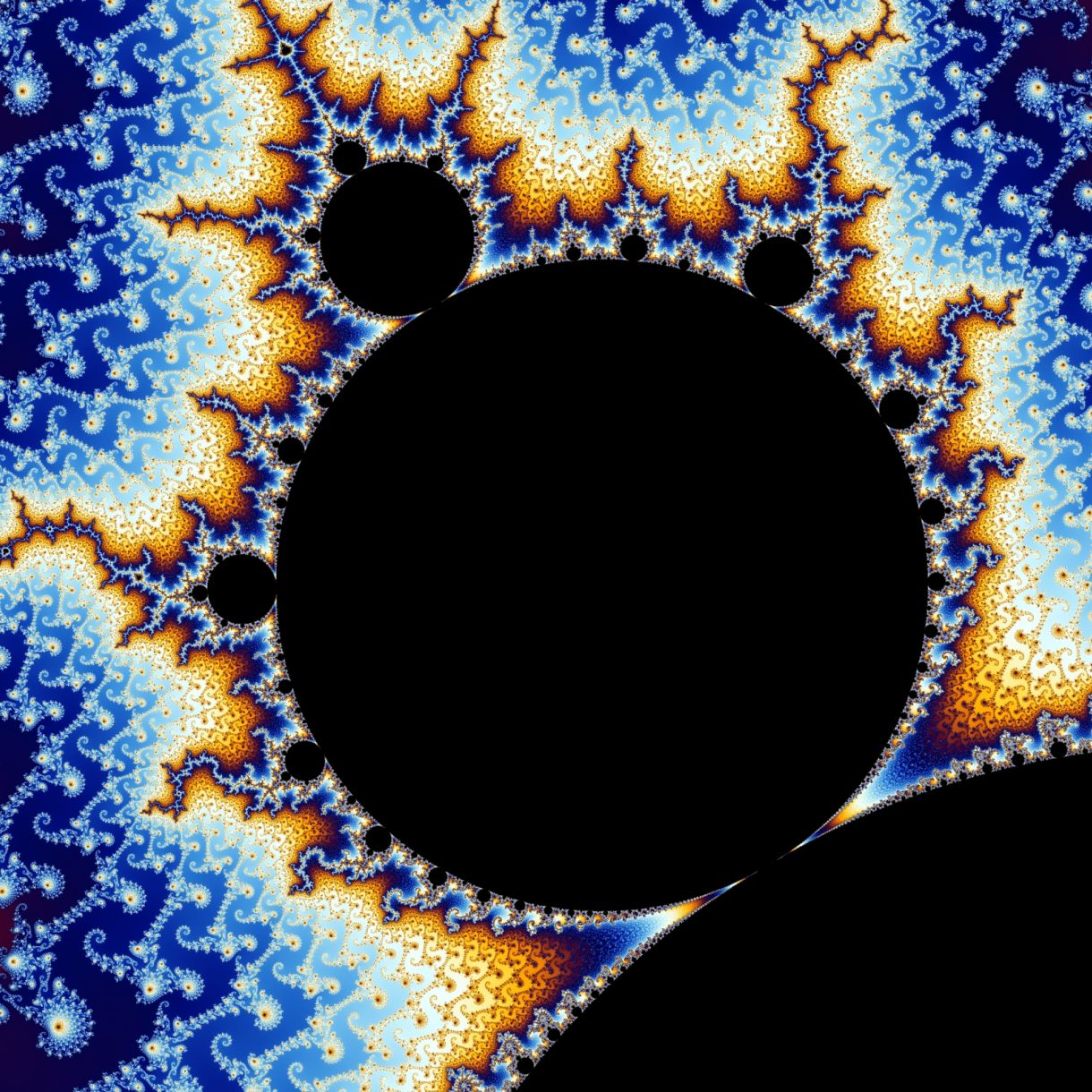
A colorful Mandelbrot fractal with large black circular forms surrounded by intricate branching patterns in blue, white, gold, and orange.
Fractals in music
Fractals aren't just a visual spectacle—they're a sonic sensation.
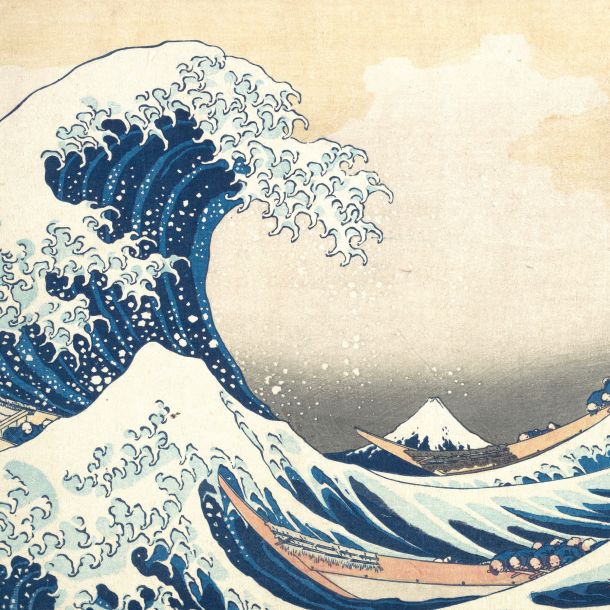
A woodblock print by Katsushika Hokusai made around 1831 depicting a towering blue wave curling over boats, with Mount Fuji in the distance.
The great wave
Delve into the wonder of fractal art.

An aerial view of a river delta shows branching waterways spreading through dark wetlands into surrounding blue-green water.
Tracing the pattern
Fractals are in leaves, the capillaries in our lungs, and even in abstract paintings.
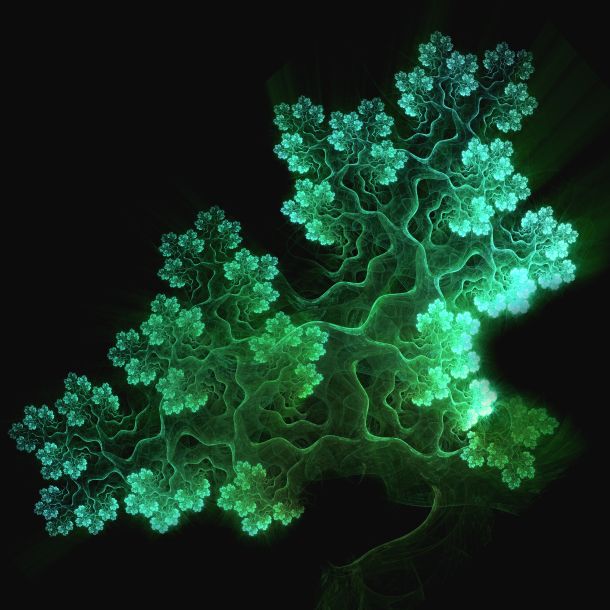
A luminous green fractal pattern resembling a branching tree or coral spreads across a black background.
The case for ferns
Discover why ferns soothe us and spark awe.
Explore nature
A white arrow pointing to the right.
A black circle with a white X on it centered.

How deep is the sea?

Dive into the mysterious world beneath the waves. From bioluminescent creatures to ancient shipwrecks, uncover the secrets of Earth's final frontier.
Kathryn Sullivan wearing a headset sits inside a spacecraft cockpit, holding a small camera or instrument near the window.
Kathryn Sullivan’s deep dive
An astronaut journeys to the Mariana Trench.
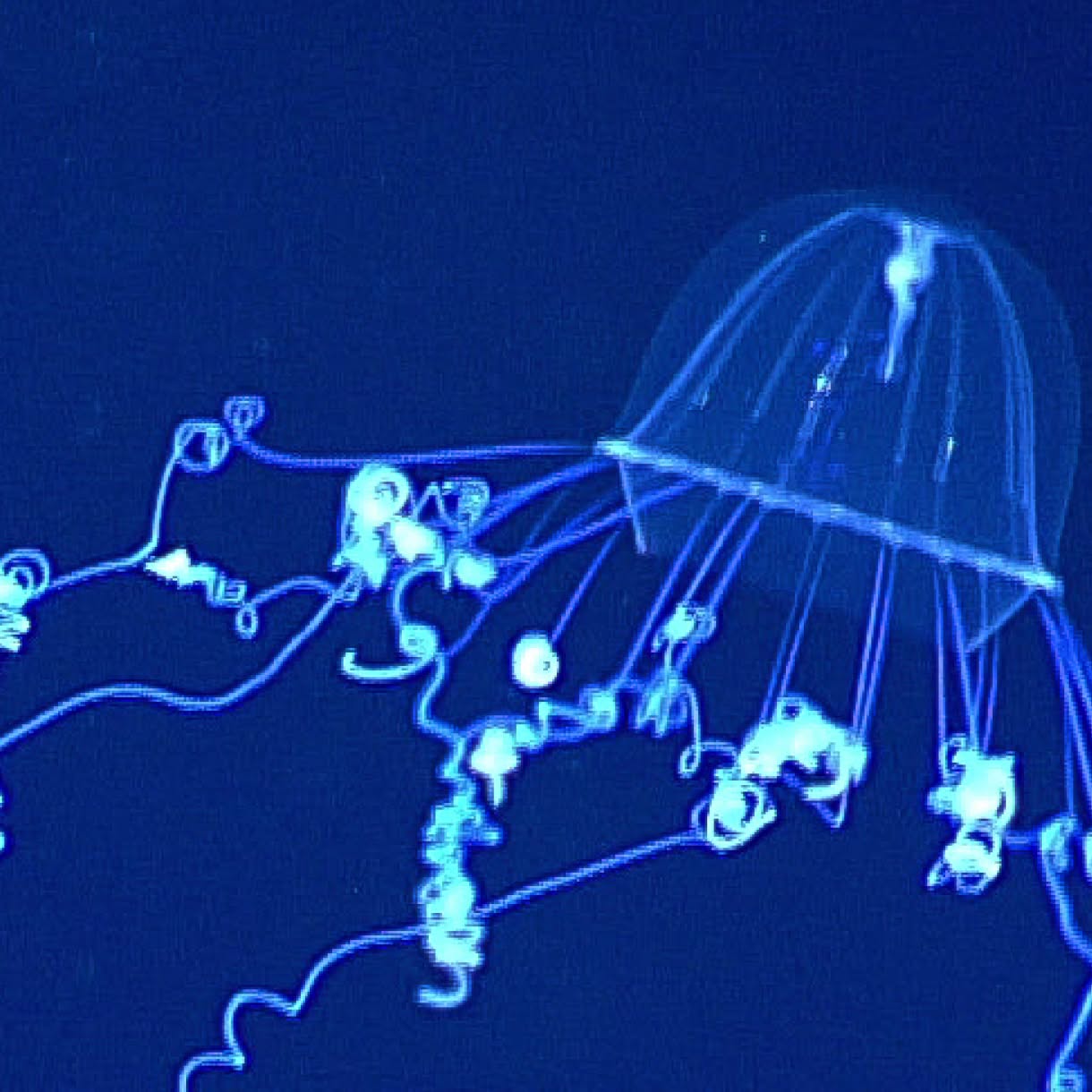
A translucent deep-sea organism glows electric blue against a dark ocean background, with long threadlike appendages and small luminous structures.
Unusual creatures of the deep sea
Meet the most fascinating deep sea creatures.
Three glasslike spheres hover above a dark teal, rippling liquid surface, reflecting soft highlights.
Oceanic feeling
Tap into the "oceanic feeling," a sense of unity with the universe.

A turbulent underwater view of breaking waves fills the frame with swirling turquoise water, bubbles, and white foam.
Listening to the Challenger Deep
The deep ocean hears more than you might expect.
A scuba diver holding an underwater camera swims beside a large branching sea fan coral in clear blue water.
The future of ocean exploration
Explore the evolving frontier of ocean exploration.
The Milky Way stretches across a densely star-filled night sky, framed by dark silhouettes of trees.
Exploring darkness
Embrace the restorative power of darkness.
Explore the ocean
A black arrow pointing to the right.
A black circle with a white X on it centered.

What is love?

From the neuroscience of romance to intimate letters between literary legends, discover the many ways love shapes our world and connects us all.
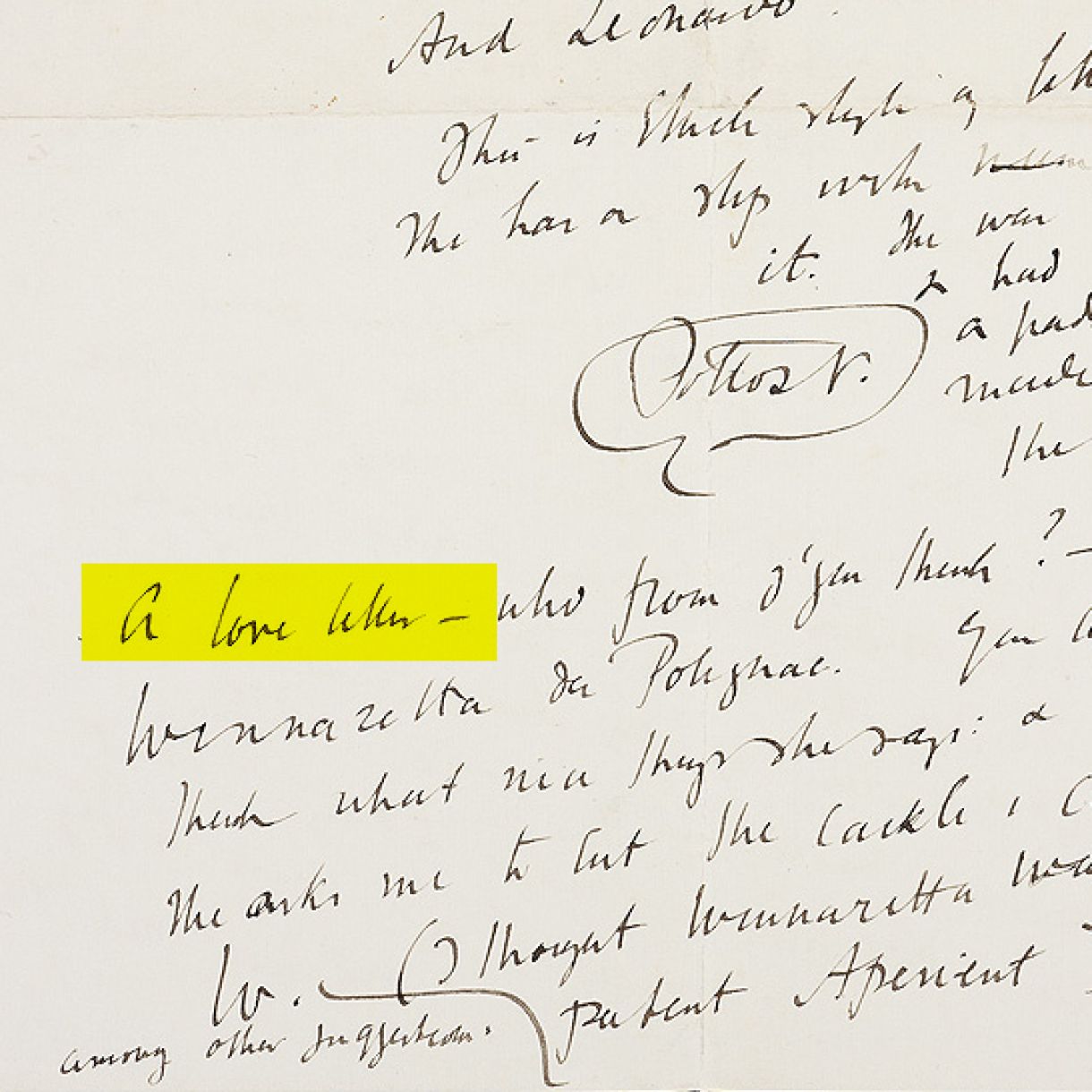
Close-up of handwritten cursive notes on cream paper, with the phrase “A love letter —” highlighted in bright yellow.
A Buddhist monk’s guide to love
What are the four elements of true love?
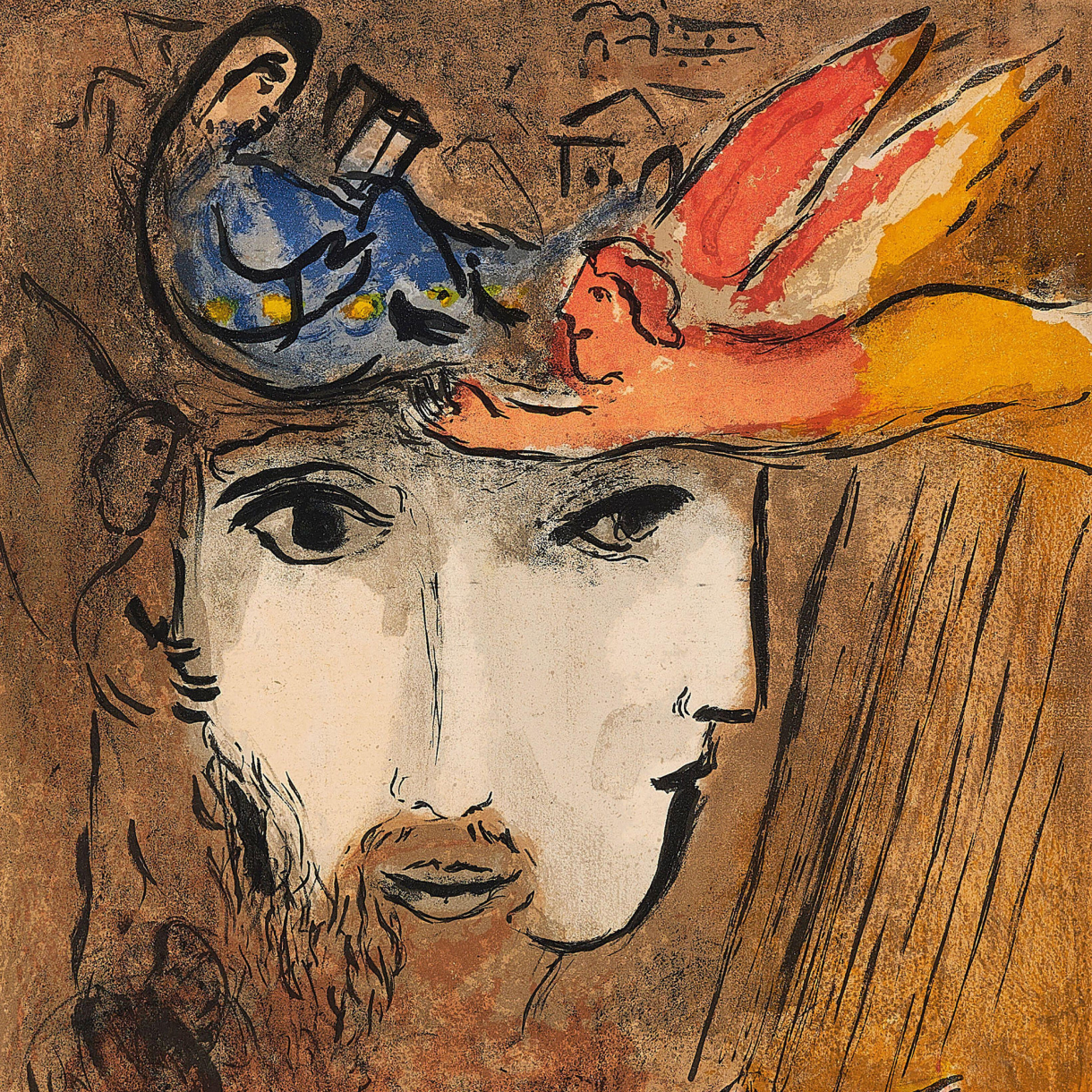
A stylized painting of a man’s face in warm browns and creams, with small dreamlike figures and a winged form arranged above his forehead.
Love in five symbols
Ever wonder why we see love in roses and hearts?
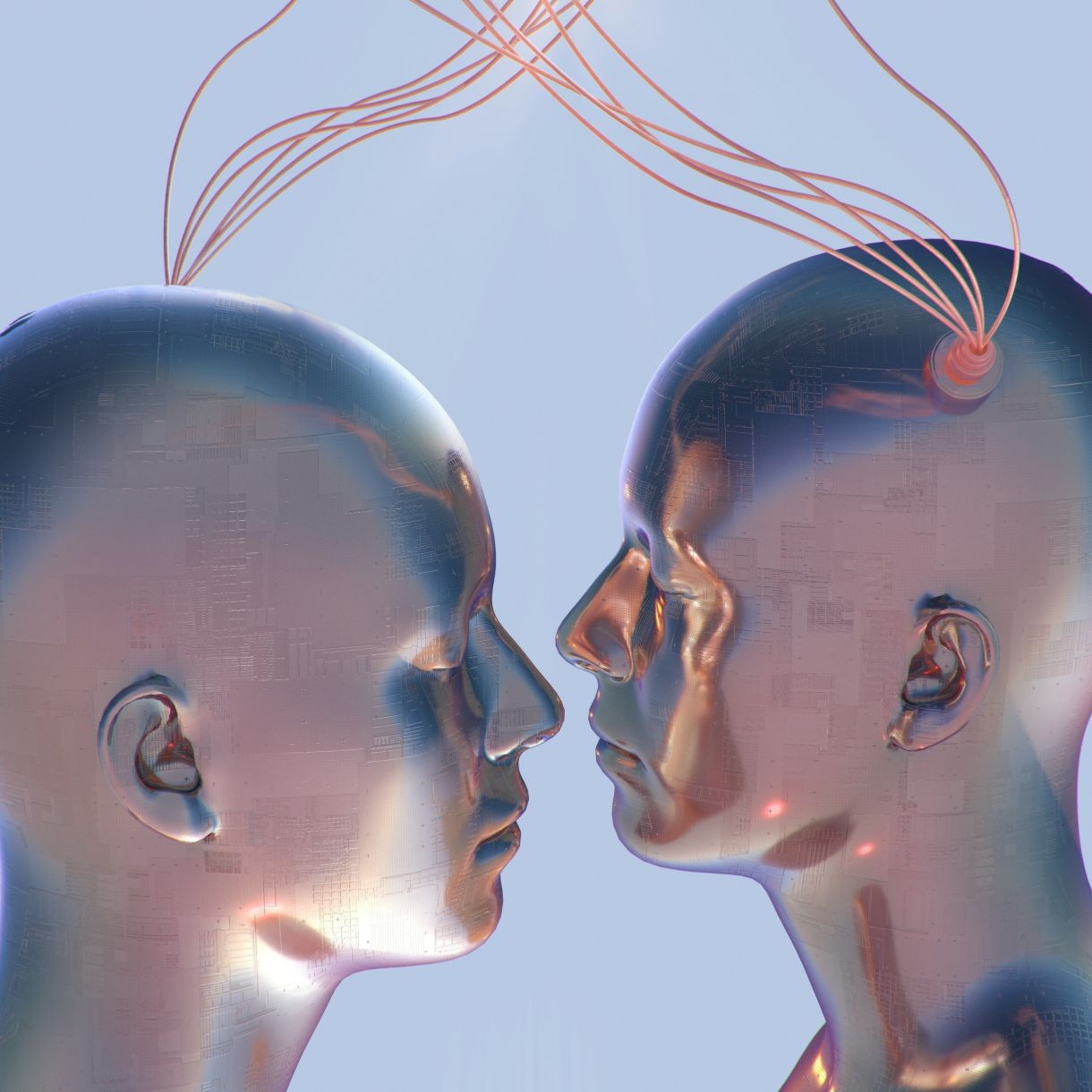
Two reflective metallic humanoid heads face each other closely, connected by looping orange fiber-like strands extending from their heads.
Can 36 questions lead to love?
Could these questions foster intimacy?
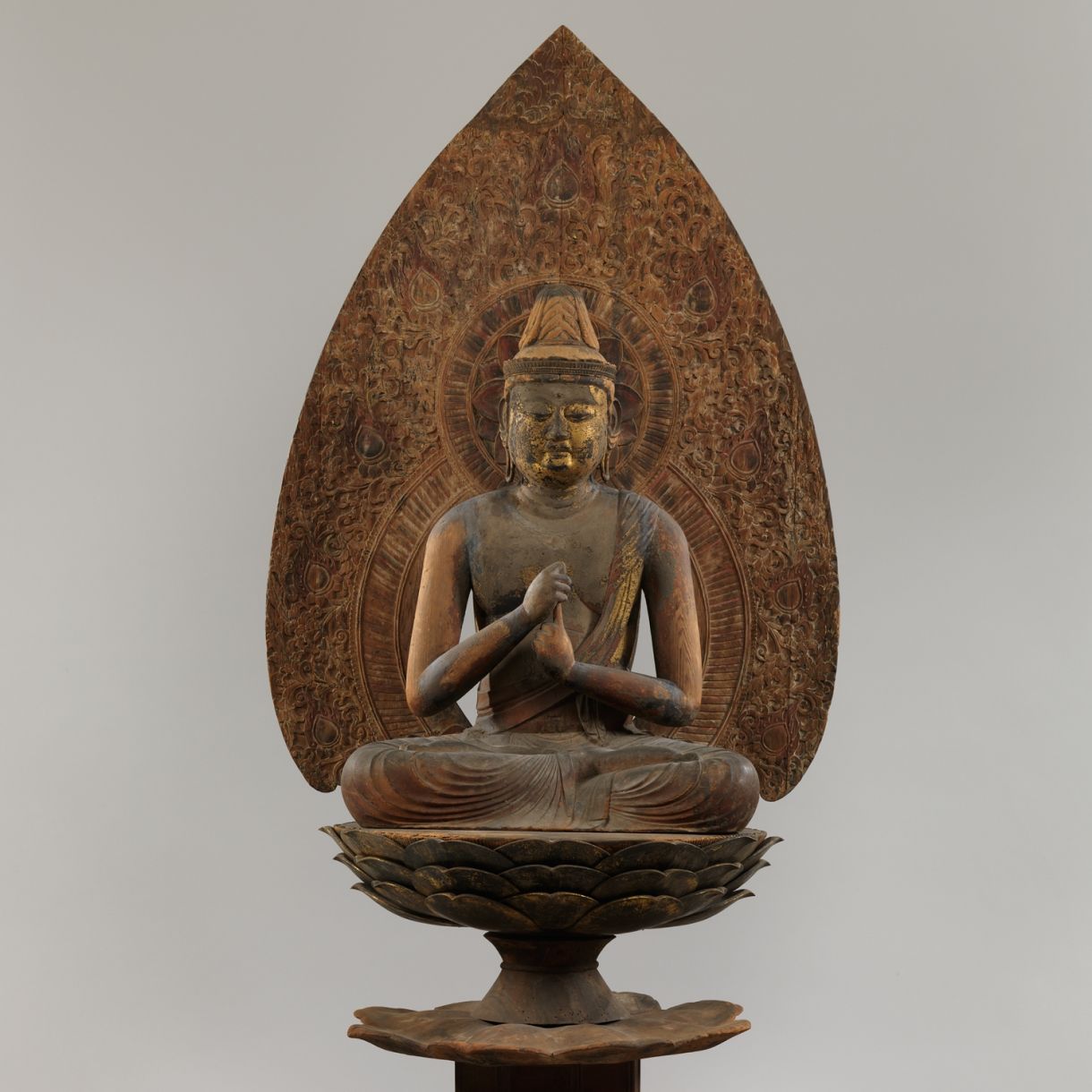
A Japanese Buddhist sculpture depicting a seated Buddha on a lotus pedestal, framed by a tall, intricately carved mandorla.
History’s most romantic letters
Artists wrote some of the most beautiful love letters.
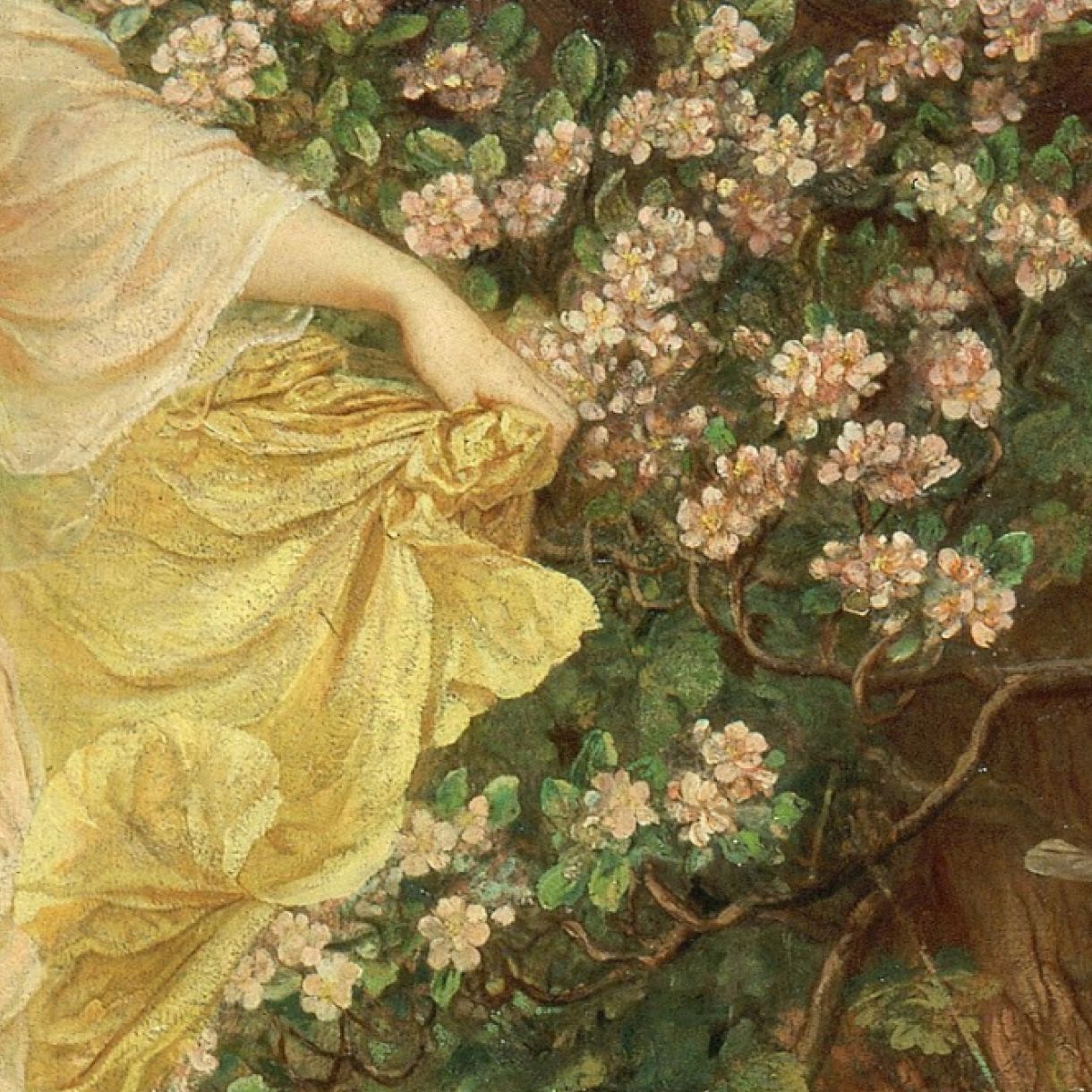
A detail from a painting shows a figure in a flowing golden-yellow dress beside branches covered in small pale pink blossoms.
This is your brain on love
It’s no mystery why we can’t quit the feeling.
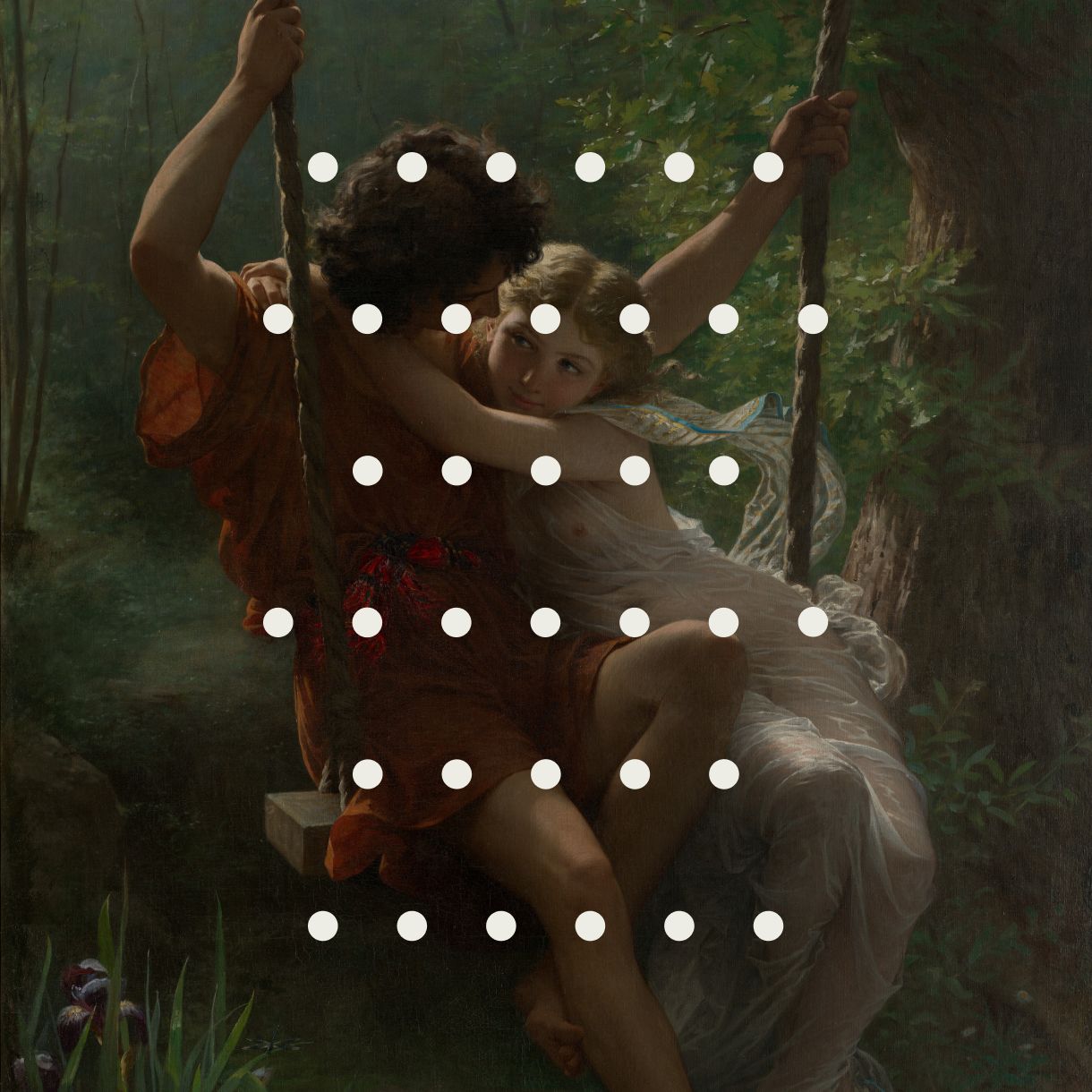
A painting by Pierre-Auguste Cot made in 1873 depicting a young couple embracing on a swing in a wooded setting, with rows of white dots superimposed across the image.
Why people believe in soulmates
Explore the ancient origins of the soulmate myth.
Explore love
A black arrow pointing to the right.
A black circle with a white X on it centered.

Where do colors come from?

Trace color’s origins from ancient microbes and accidental lab breakthroughs to new hues only a handful of humans have ever perceived.
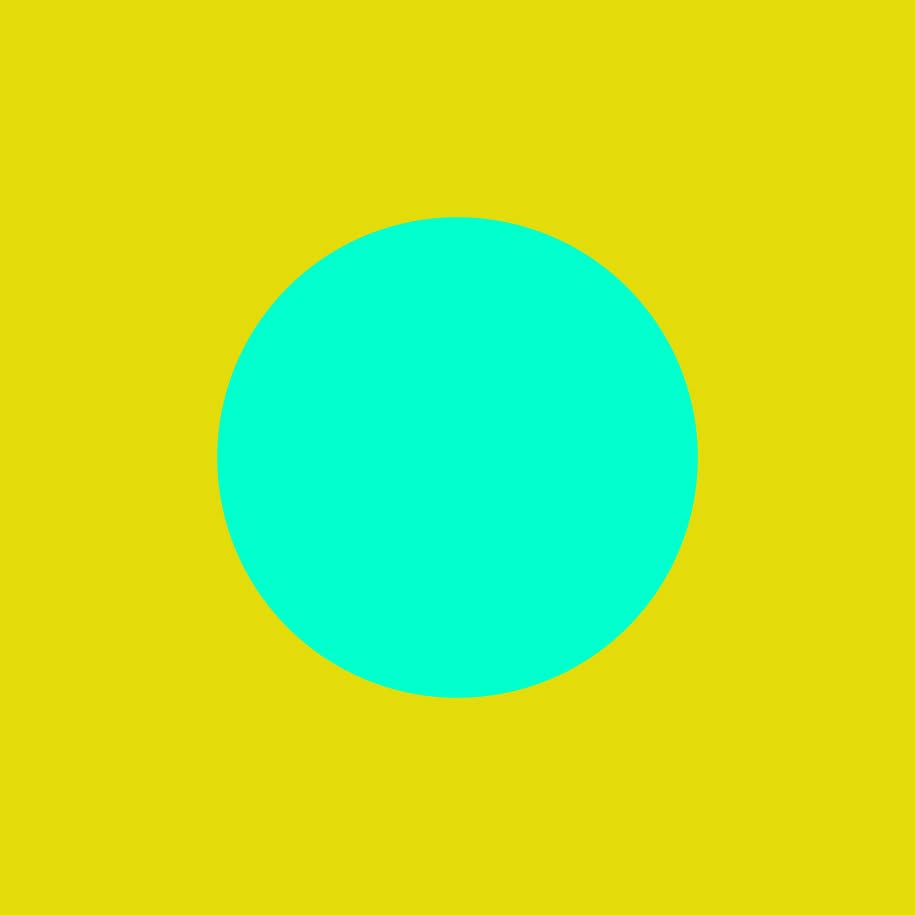
A large turquoise circle is centered on a bright yellow background.
Meet olo, a new color
Learn how lasers could expand color perception.
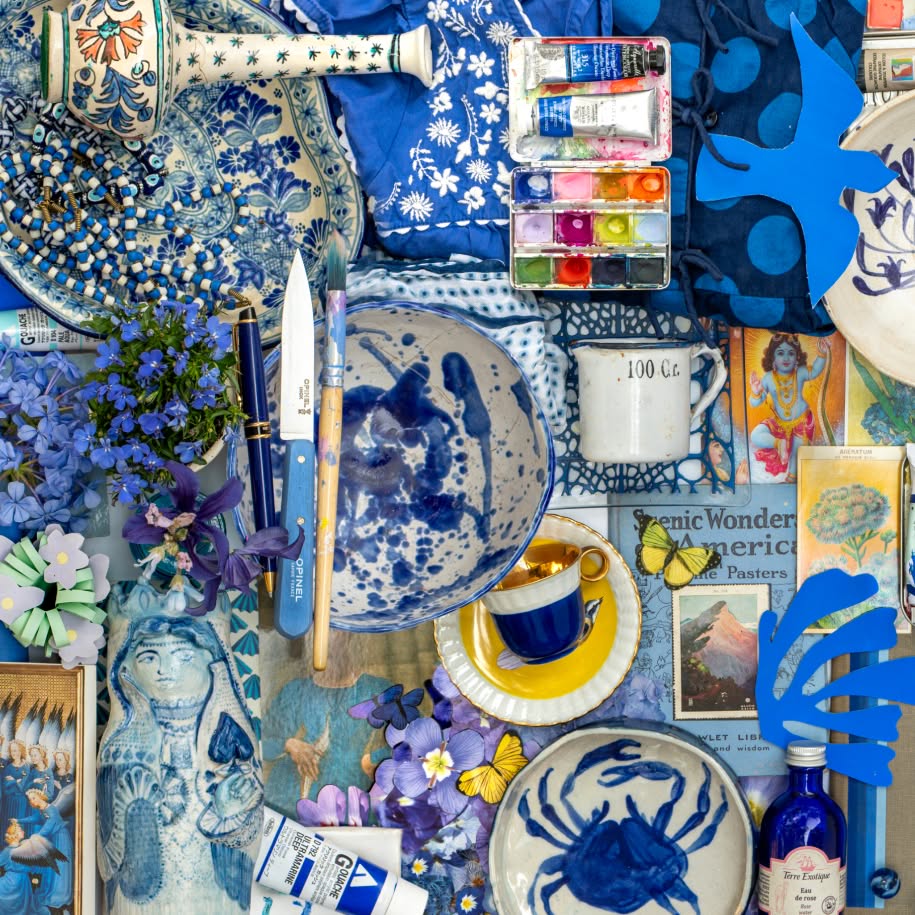
A colorful flat lay of blue-themed objects includes ceramics, flowers, watercolor paints, brushes, books, jewelry, and decorative illustrations arranged closely together.
The art of color harvesting
Find color in daily life with artist Ana Bianchi.
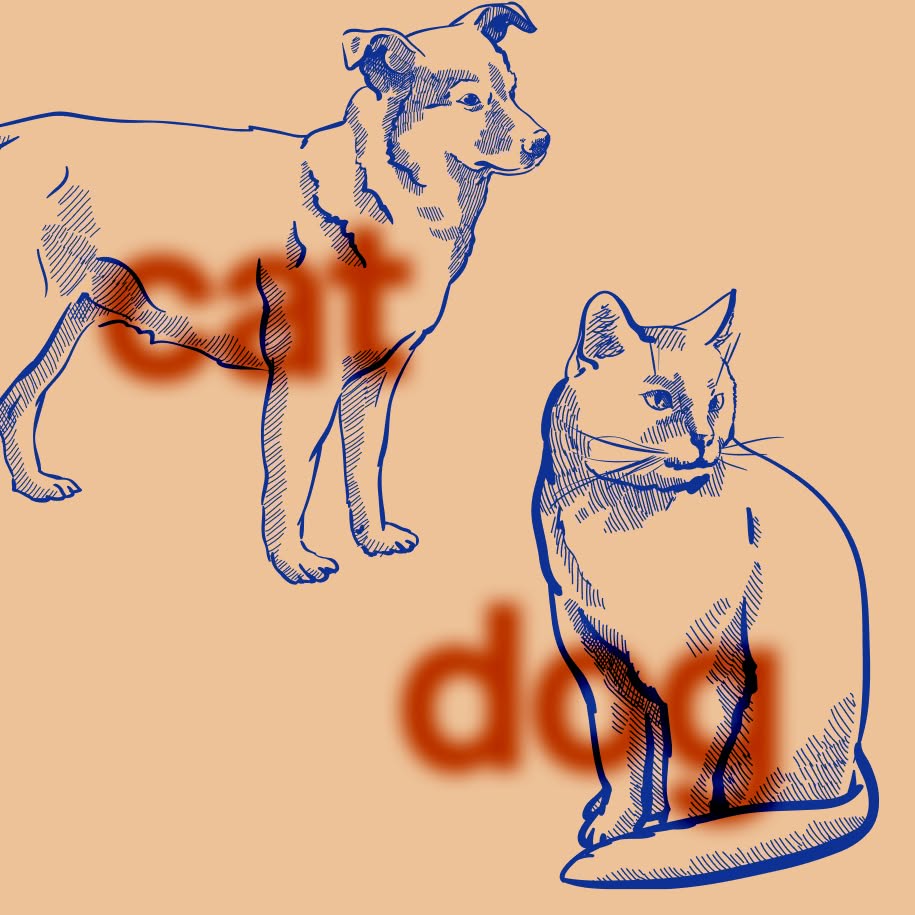
Blue line drawings of a standing dog and seated cat appear on a peach background, with blurred red words partially visible behind them.
Experience the Stroop effect
Discover how automatic habits disrupt focus.
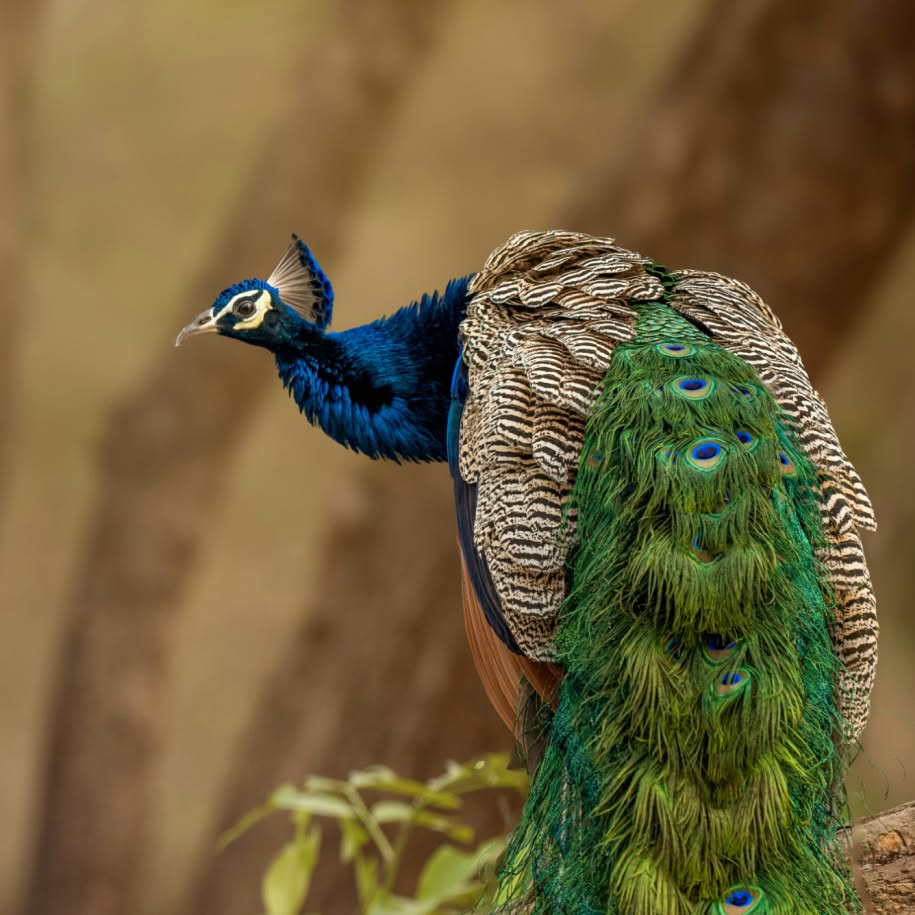
A peacock perches on a branch, its blue neck and long green tail feathers marked with vivid eye-shaped patterns.
Explore Earth’s oldest colors
These shades highlight the stages of Earth's history.
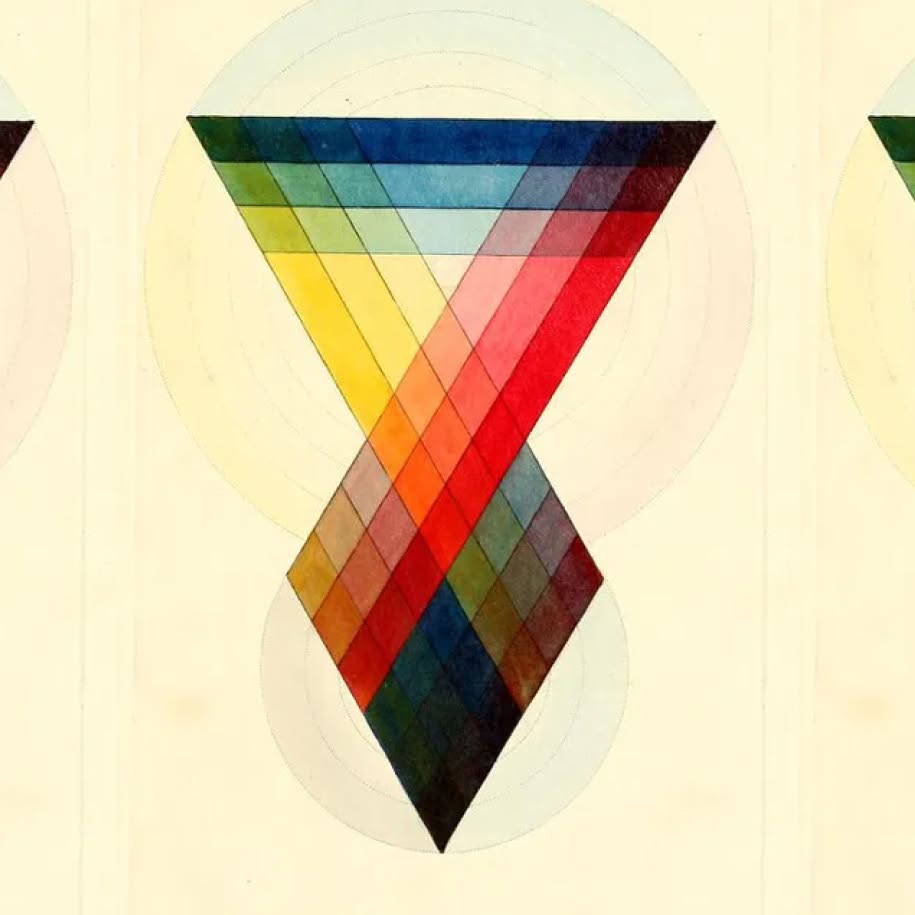
A geometric color study shows overlapping translucent bands of blue, green, yellow, orange, red, and purple forming an hourglass-like shape on a pale background.
A history of color wheels
Explore how we organize color into visual systems.
An autumn garden filled with red, orange, and green foliage is overlaid with thick white crisscrossing brushstrokes.
Nature's palette
Let color lead the way on this guided awe walk.
Explore color
A white arrow pointing to the right.
A black circle with a white X on it centered.

Are we in sync?

Marvel at synchronization in nature, from the mesmerizing movements of murmuring starlings to the rare alignments of astronomical syzygies.
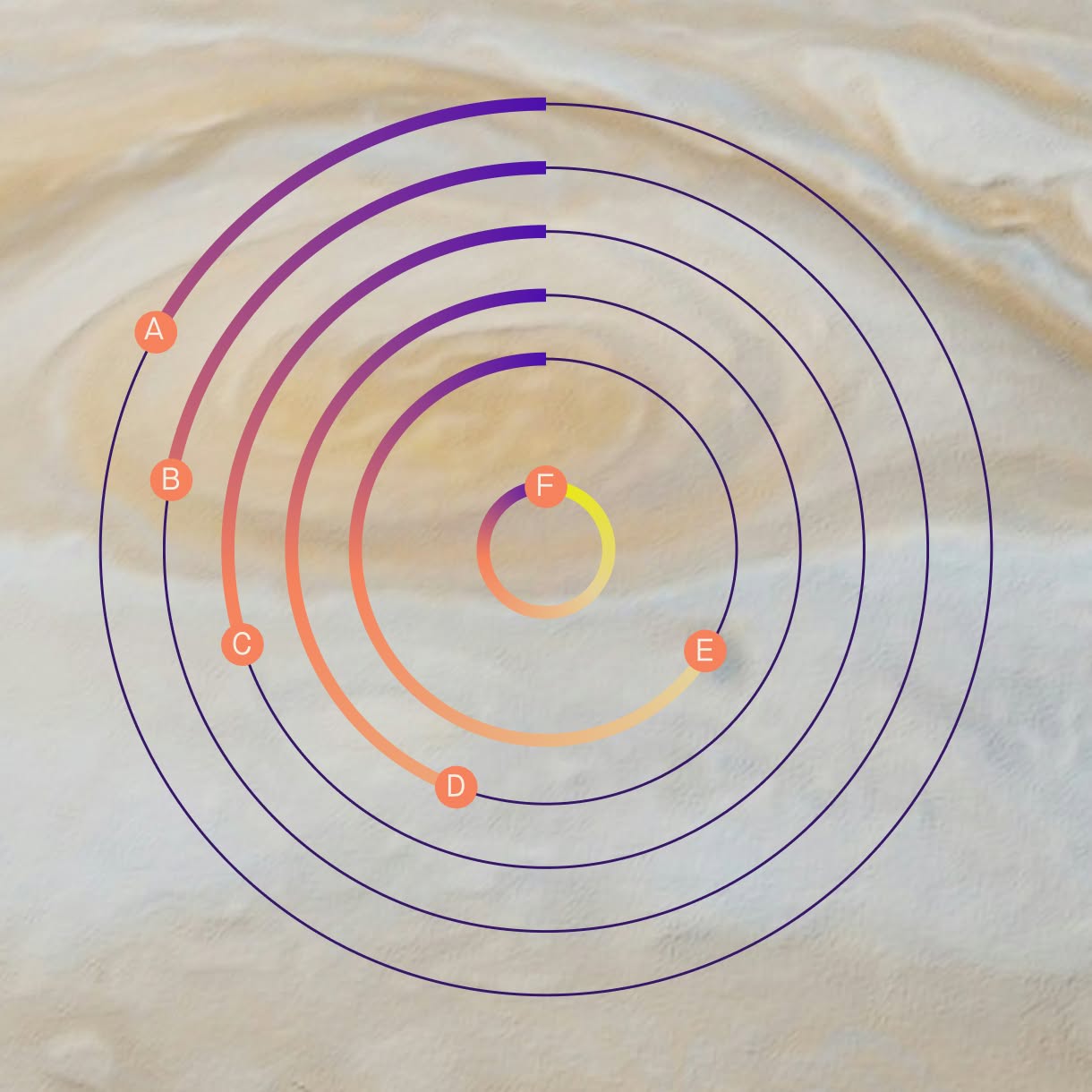
A diagram of six concentric circular paths over a pale textured background, with orange markers labeled A through F and gradient-colored arc segments. F sits on a small central ring.
Synchronicity in space
Discover how some planets orbit in formation.
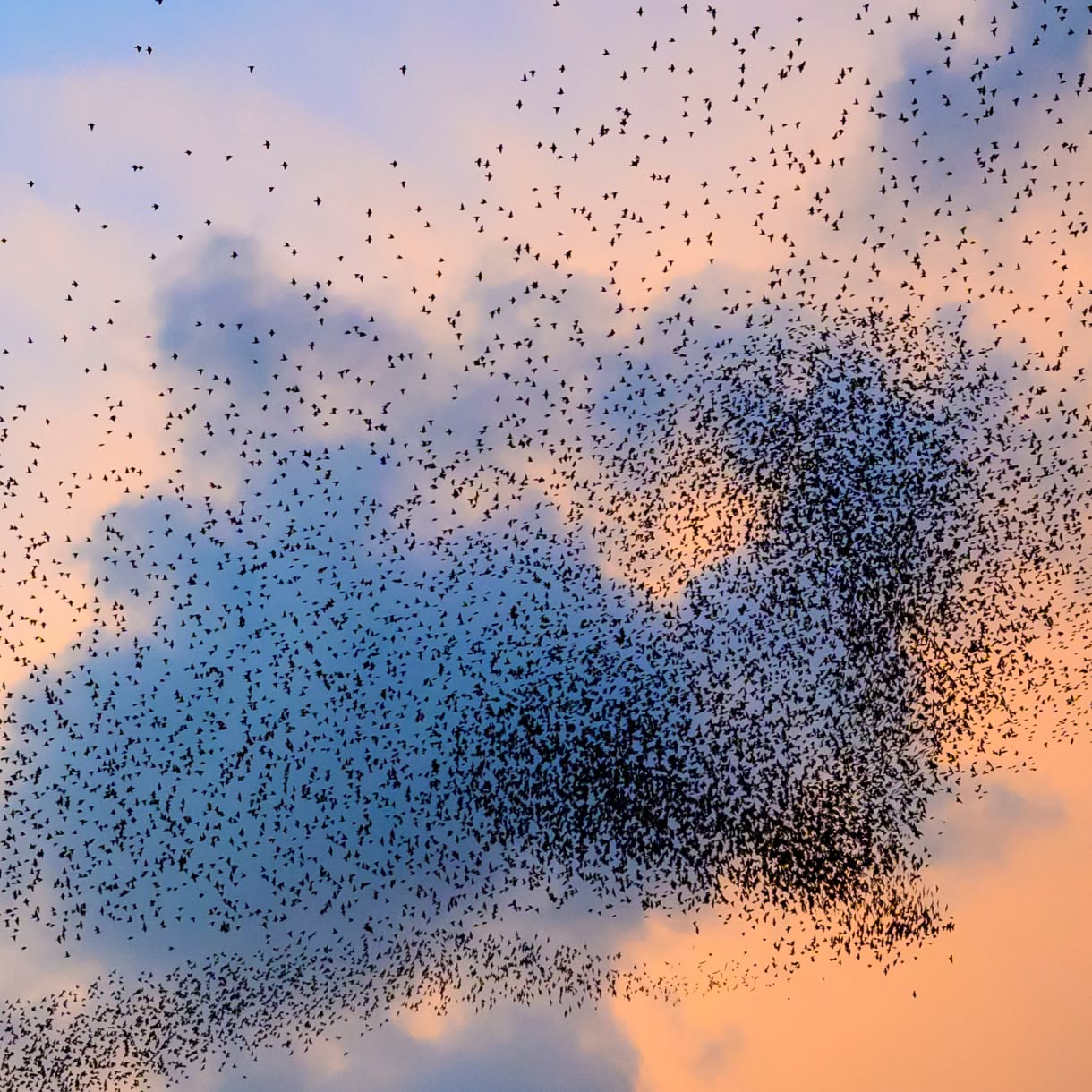
A vast flock of birds forms dense, swirling shapes across a blue-and-peach sunset sky.
Nature in sync
Learn how synchronicity helps animals survive.
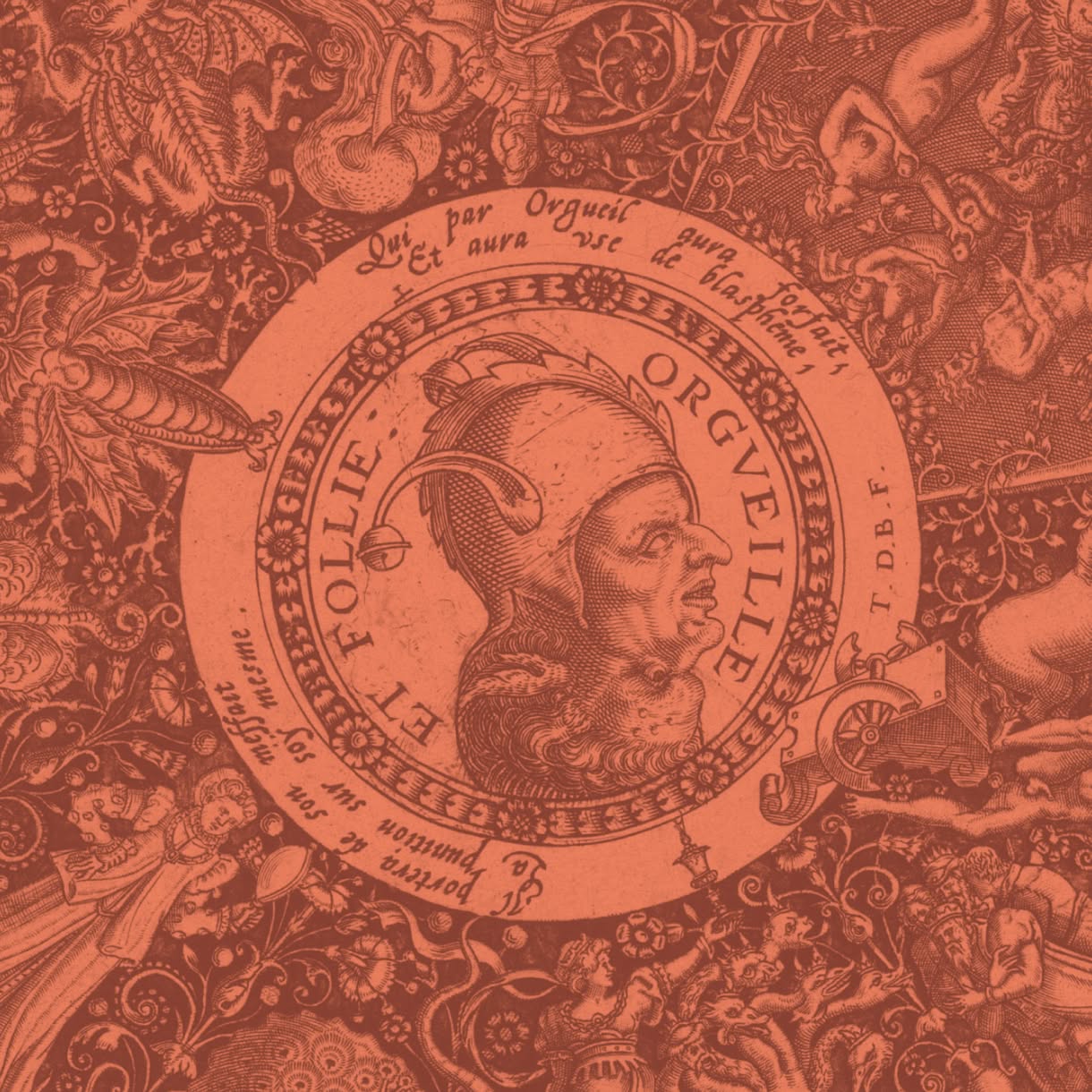
An orange-toned historical engraving centers on a helmeted male figure surrounded by dense decorative scenes and handwritten-style text.
What a coincidence
Carl Jung helps make sense of coincidences.
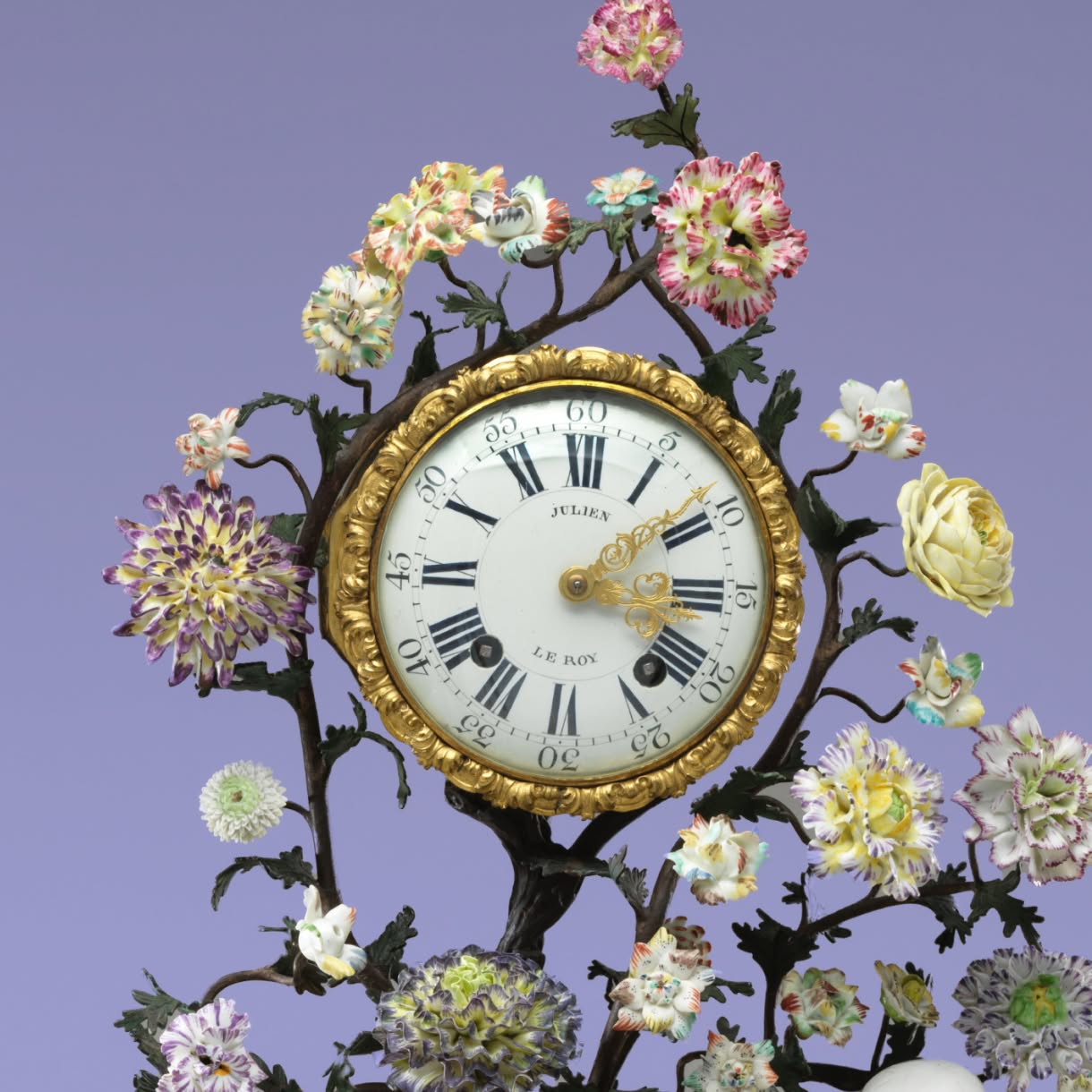
An ornate golden astronomical instrument features multiple concentric dials, Roman numerals, and fine engraved markings against a lavender background.
Bloom time
Plants have biological clocks just like we do.
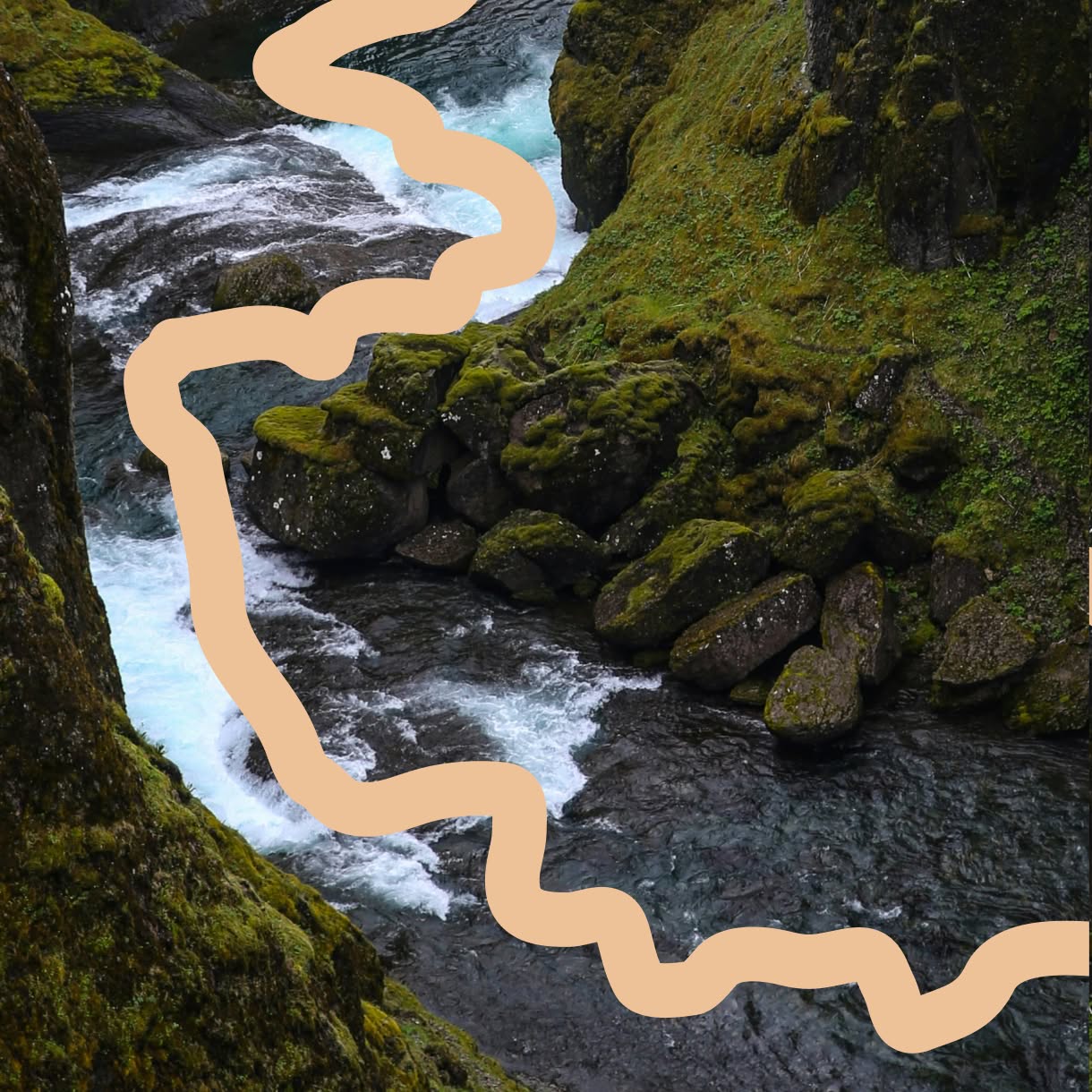
A rushing river winds between moss-covered rocks, with a thick peach-colored squiggle overlaid along its path.
Surroundings in sync
Use rhythm to connect with the world around you.
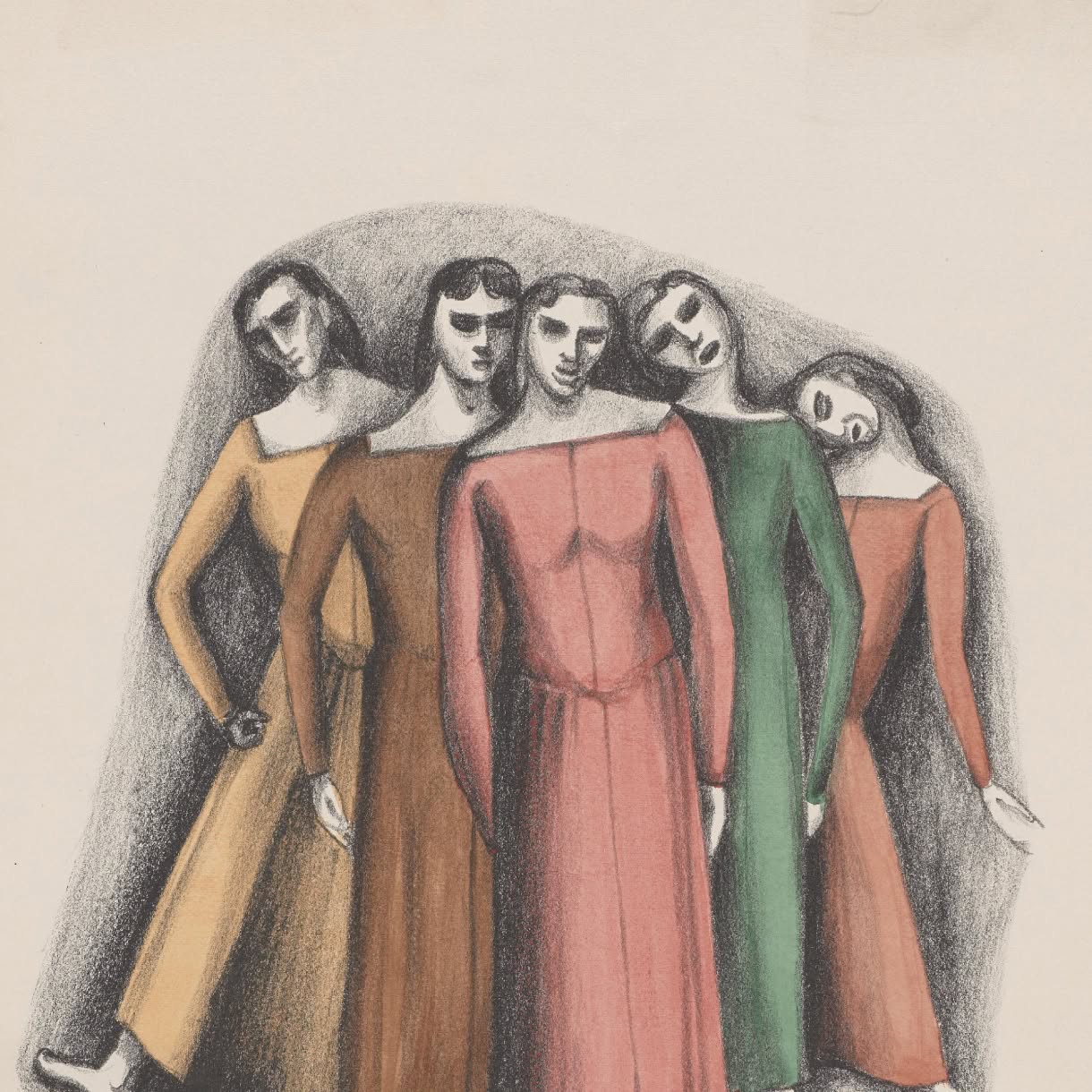
A stylized drawing of five elongated figures standing closely together in long yellow, brown, pink, green, and red-orange garments, their heads tilted at varying angles.
Walk with me
Syncing your behavior with others can tighten bonds.
Explore synchronization
A white arrow pointing to the right.
A black circle with a white X on it centered.

What inspires us to create?

This is some text inside of a div block.
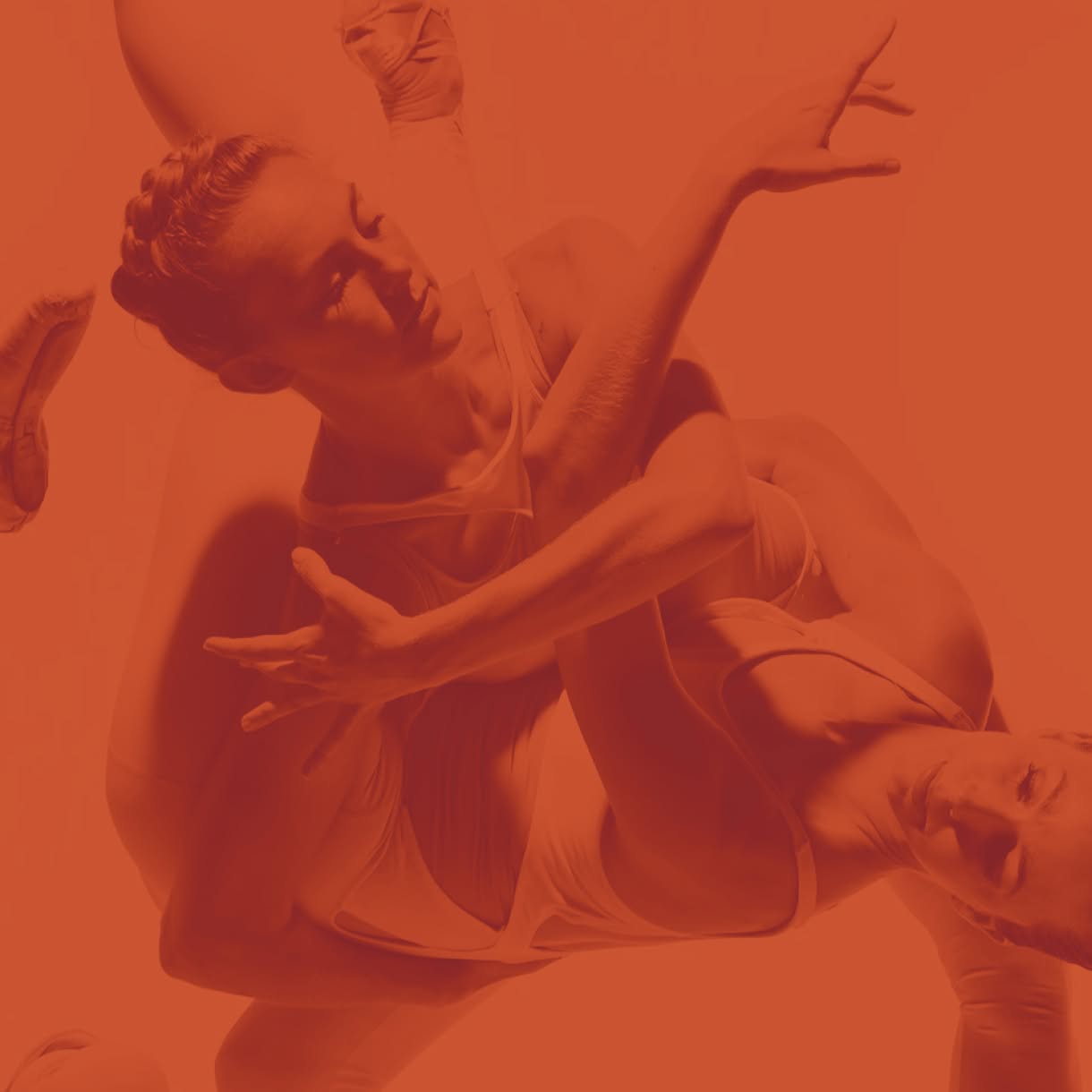
An orange-tinted photograph shows several dancers in fitted clothing intertwined in overlapping poses, their arms and bodies creating a layered composition.
Creativity with a choreographer
Learn from the founder of New Chamber Ballet.
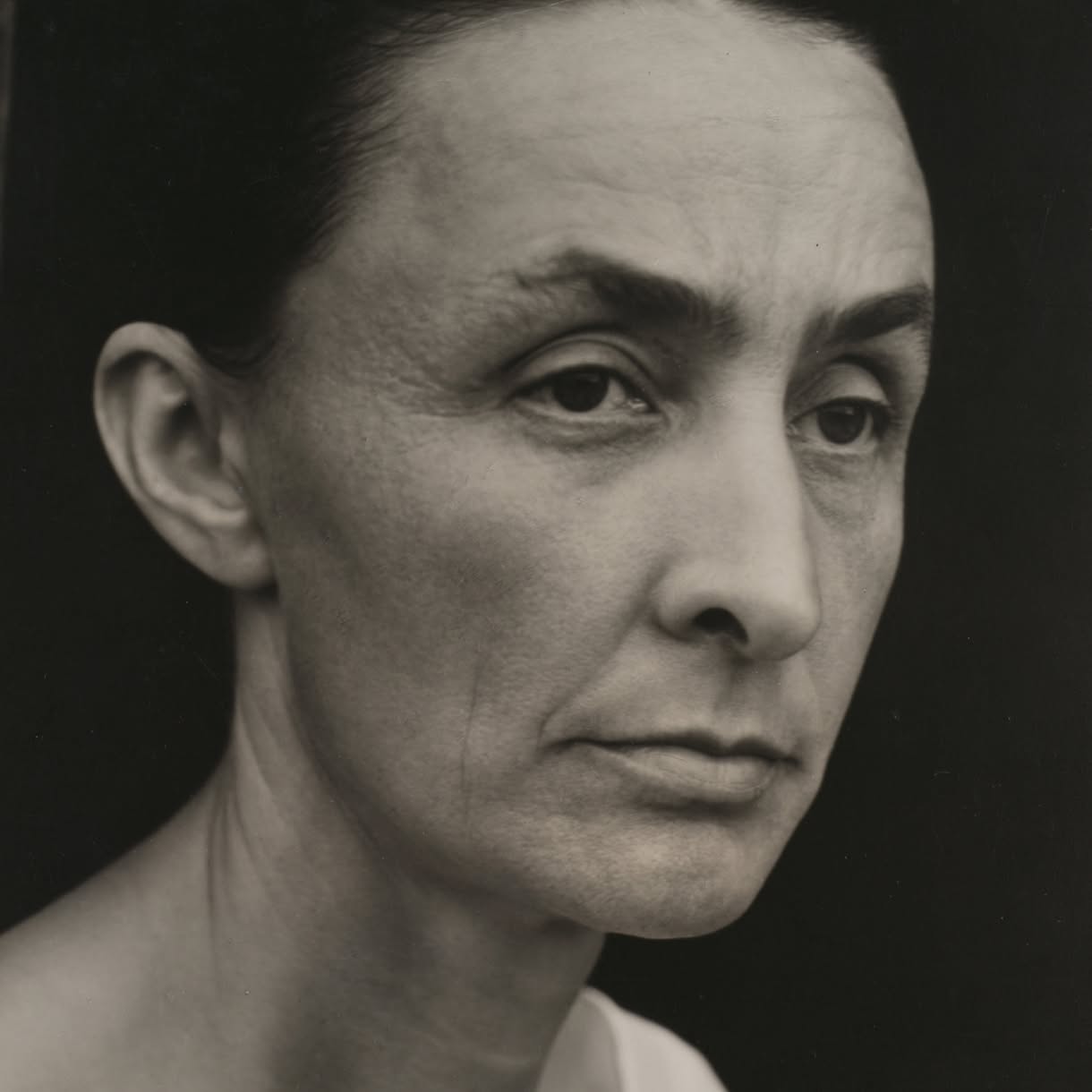
A black-and-white close-up portrait of Georgia O'Keefe with dark hair pulled back, looking slightly to the side against a dark background.
The rituals of famous creators
Artists often rely on structure.
A soft abstract wash of orange, pink, cream, and yellow is overlaid with four evenly spaced navy-blue dots arranged in a square.
Ways to become more creative
Simple methods for generating original ideas.
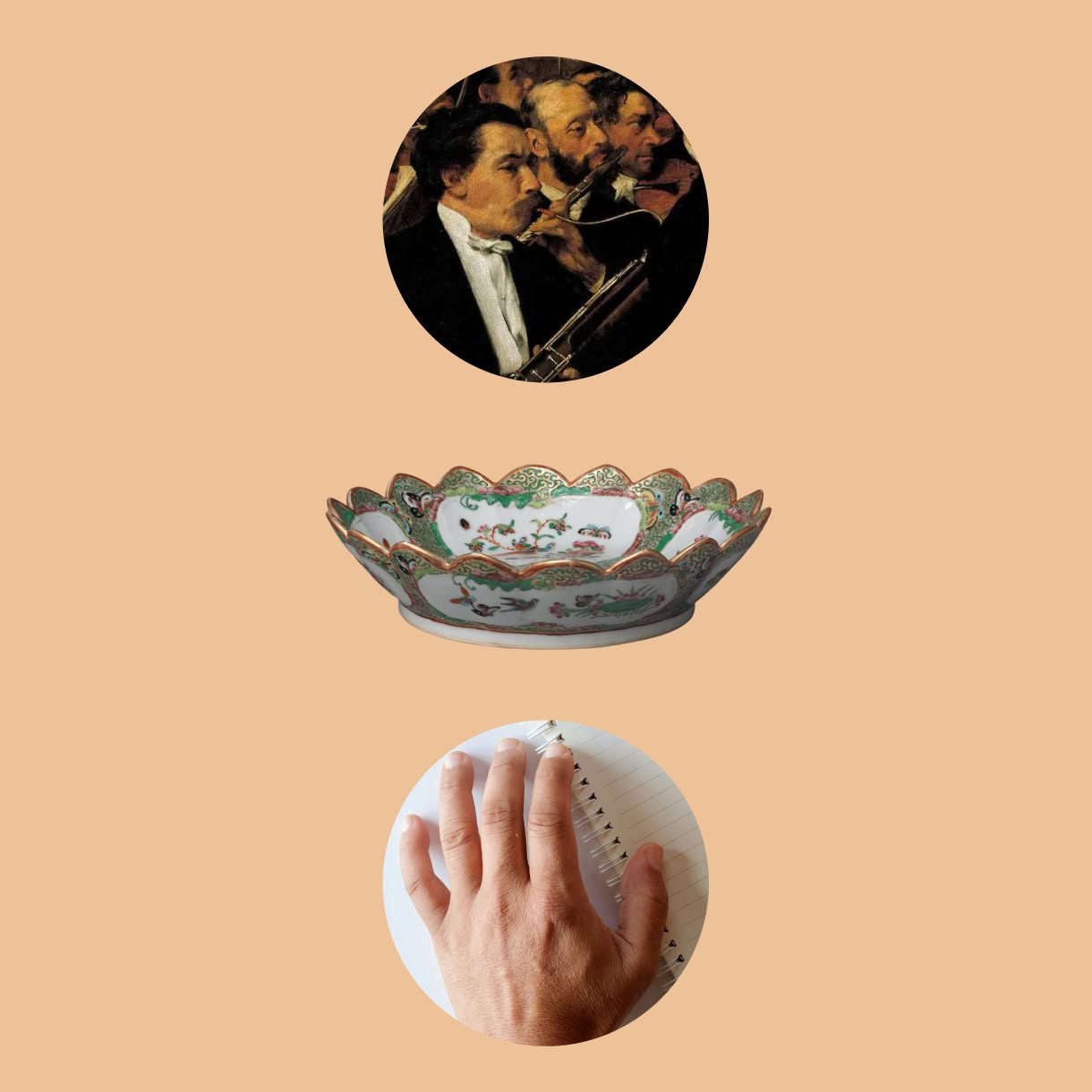
A peach-colored collage stacks three images vertically: a circular detail of musicians, an ornate porcelain dish, and a circular photograph of a hand resting on a spiral notebook.
Can this test measure creativity?
See how your mind connects unrelated words.
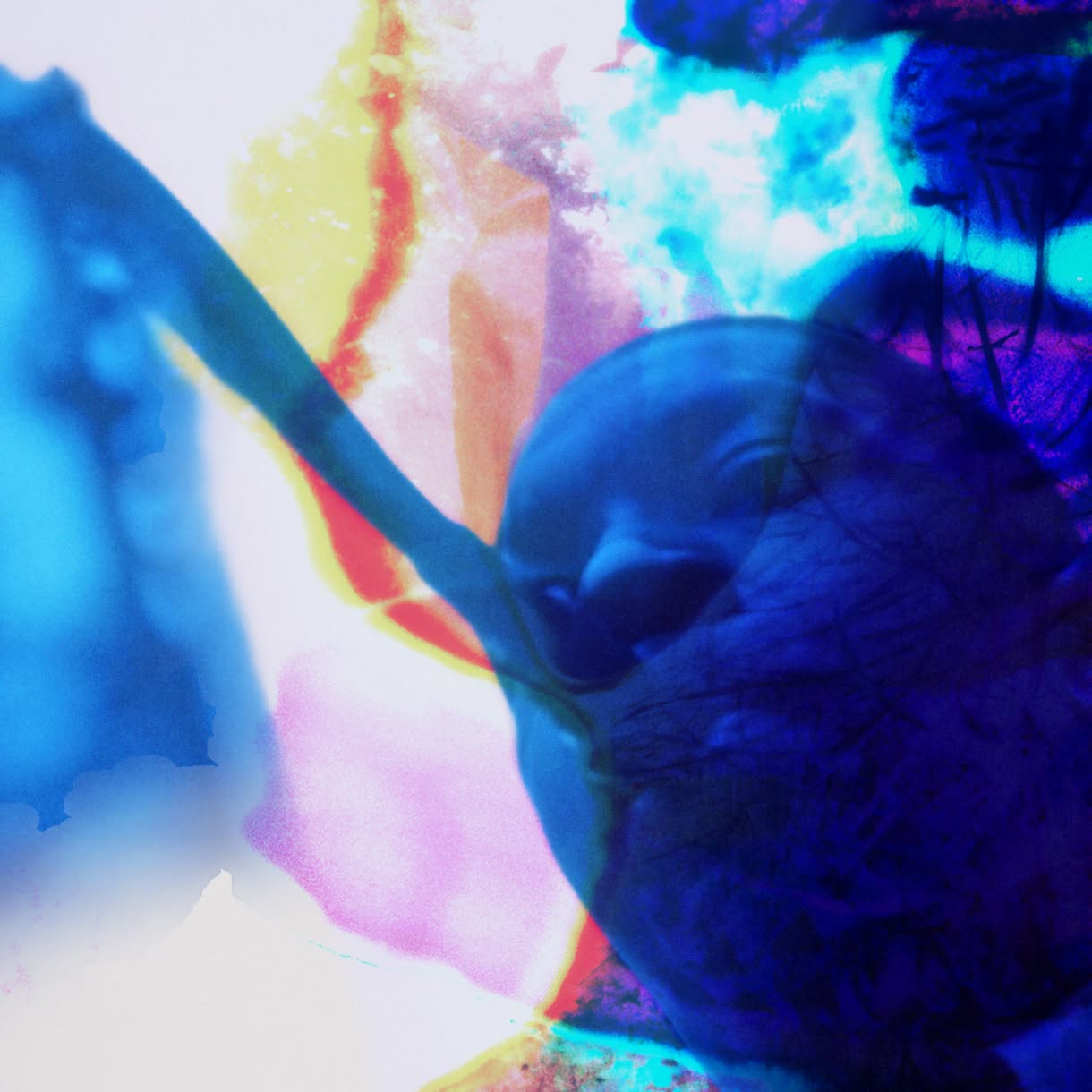
A vivid blue and magenta image of an elephant fills the frame, its trunk extending diagonally across a bright abstract background.
The neuroscience of creativity
What brain scans reveal about entering flow.
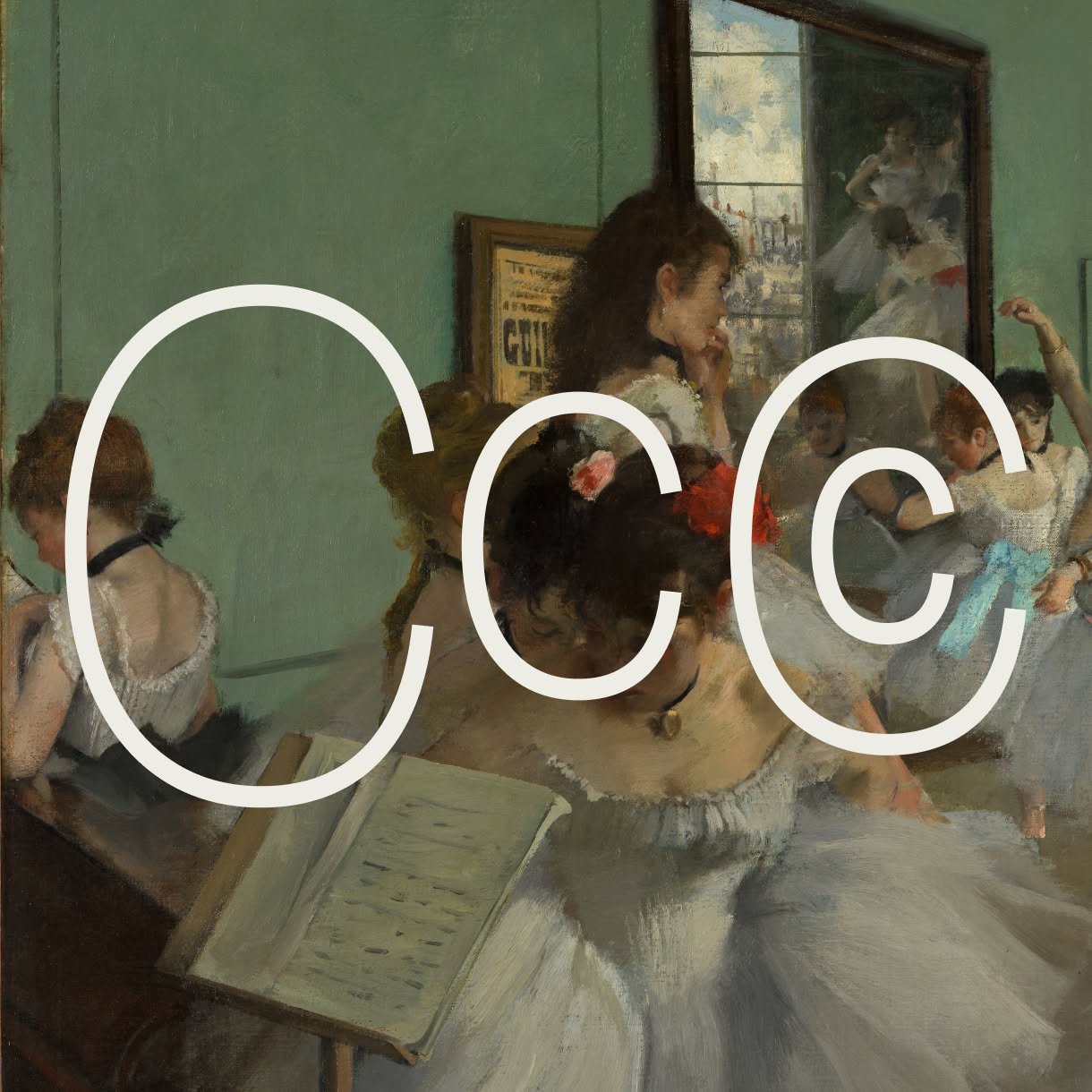
A painting of women in a dance studio is overlaid with three large white outlined C-shaped forms. A central dancer in a pale dress stands near a music stand while other figures appear around her.
The Four-C model of creativity
There’s always room for our originality to grow.
Explore creativity
A thin red arrow pointing right.
A black circle with a white X on it centered.

What are the world’s most fascinating instruments?

From the Balinese gamelan to the Celtic harp, explore how music shapes history and culture.
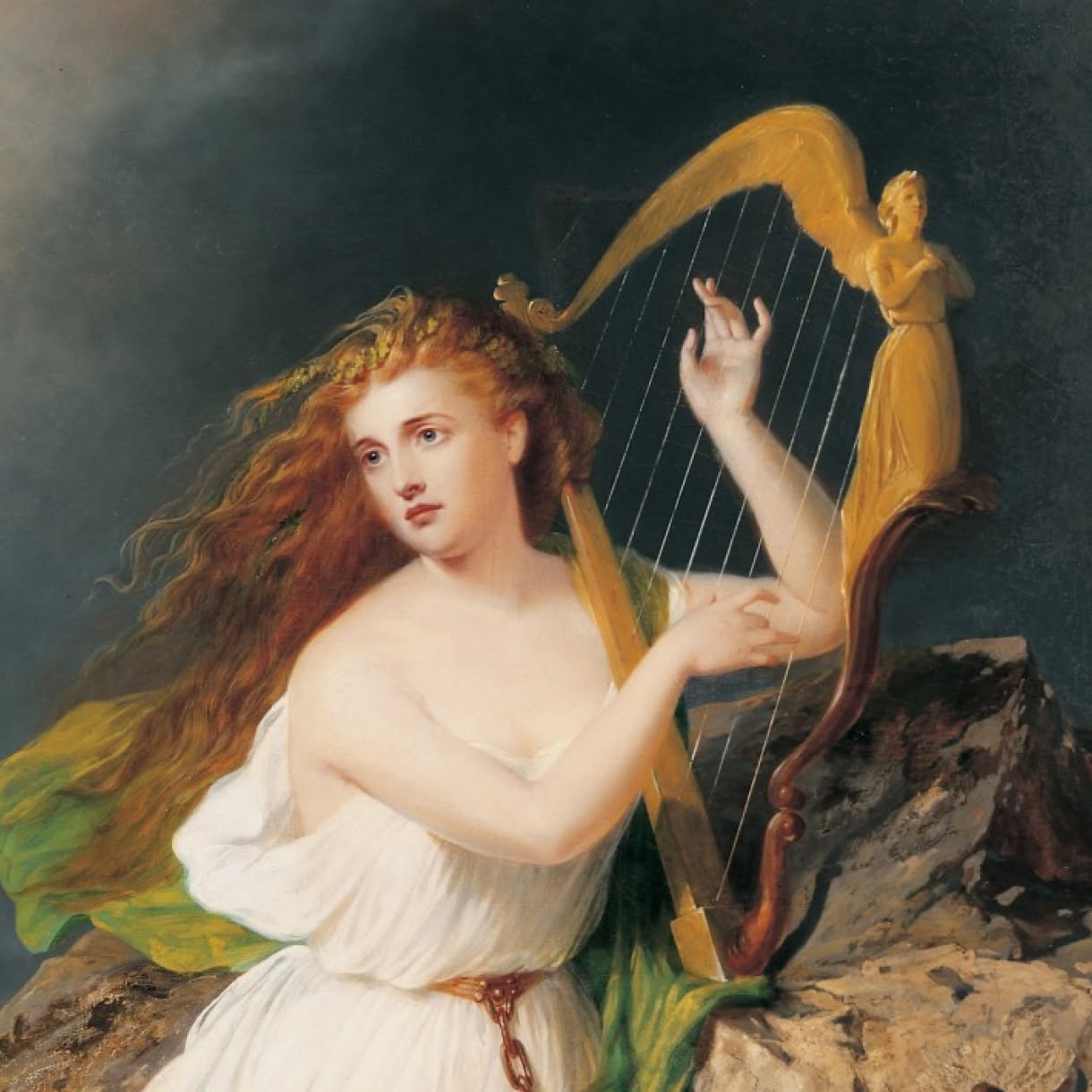
A painting by Thomas Buchanan Read made in 1867 depicting a red-haired woman in a white gown seated among rocks, playing a golden harp against a stormy sky.
This is some text ins
This is some text inside of a div block.
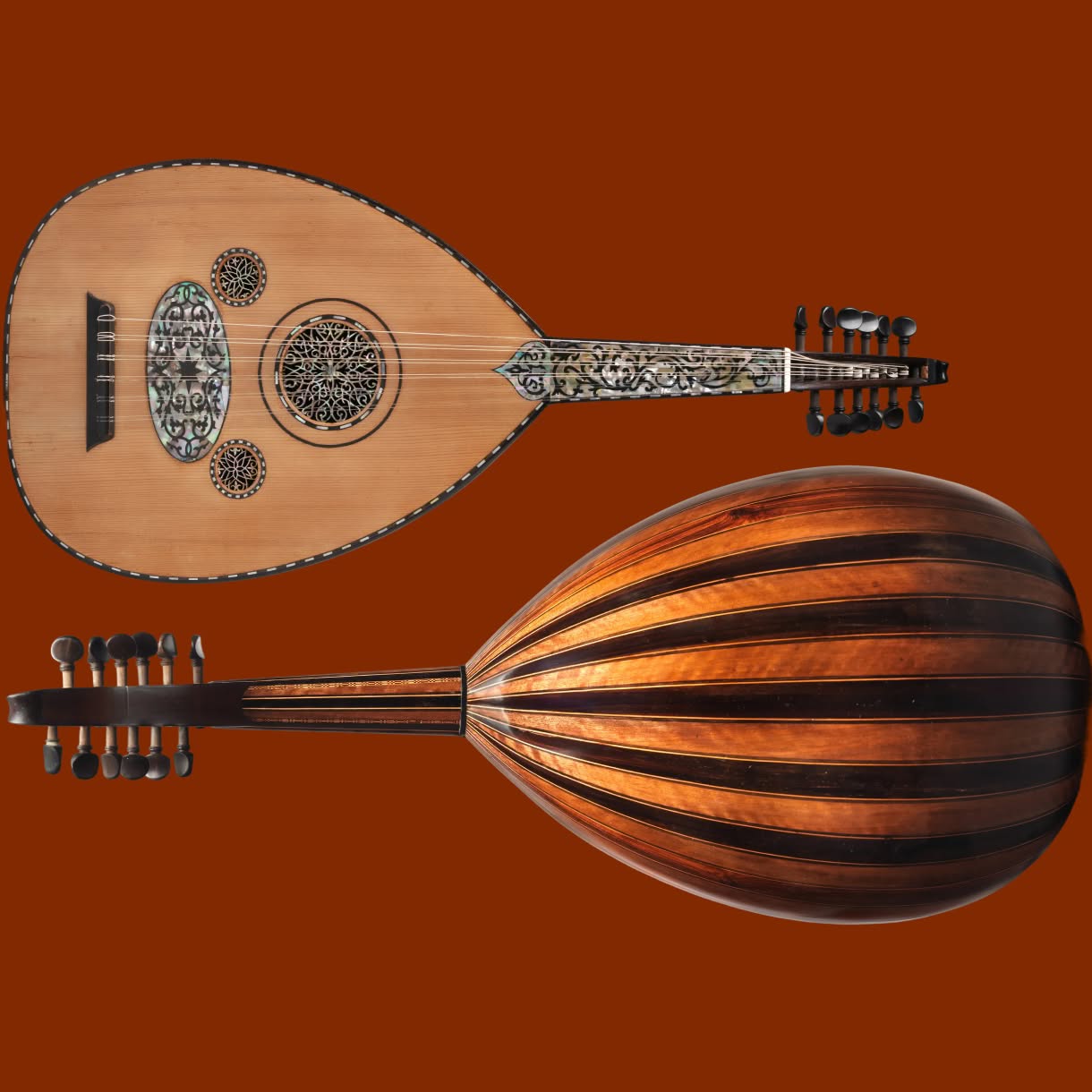
Two close-up views of an ornate oud on a reddish-brown background, showing its decorated soundboard and rosettes above and striped wooden back and pegbox below.
This is some text ins
This is some text inside of a div block.
A male musician in a glittering red sleeveless top performs under red stage lighting, leaning over a small stringed instrument held at his waist.
This is some text ins
This is some text inside of a div block.
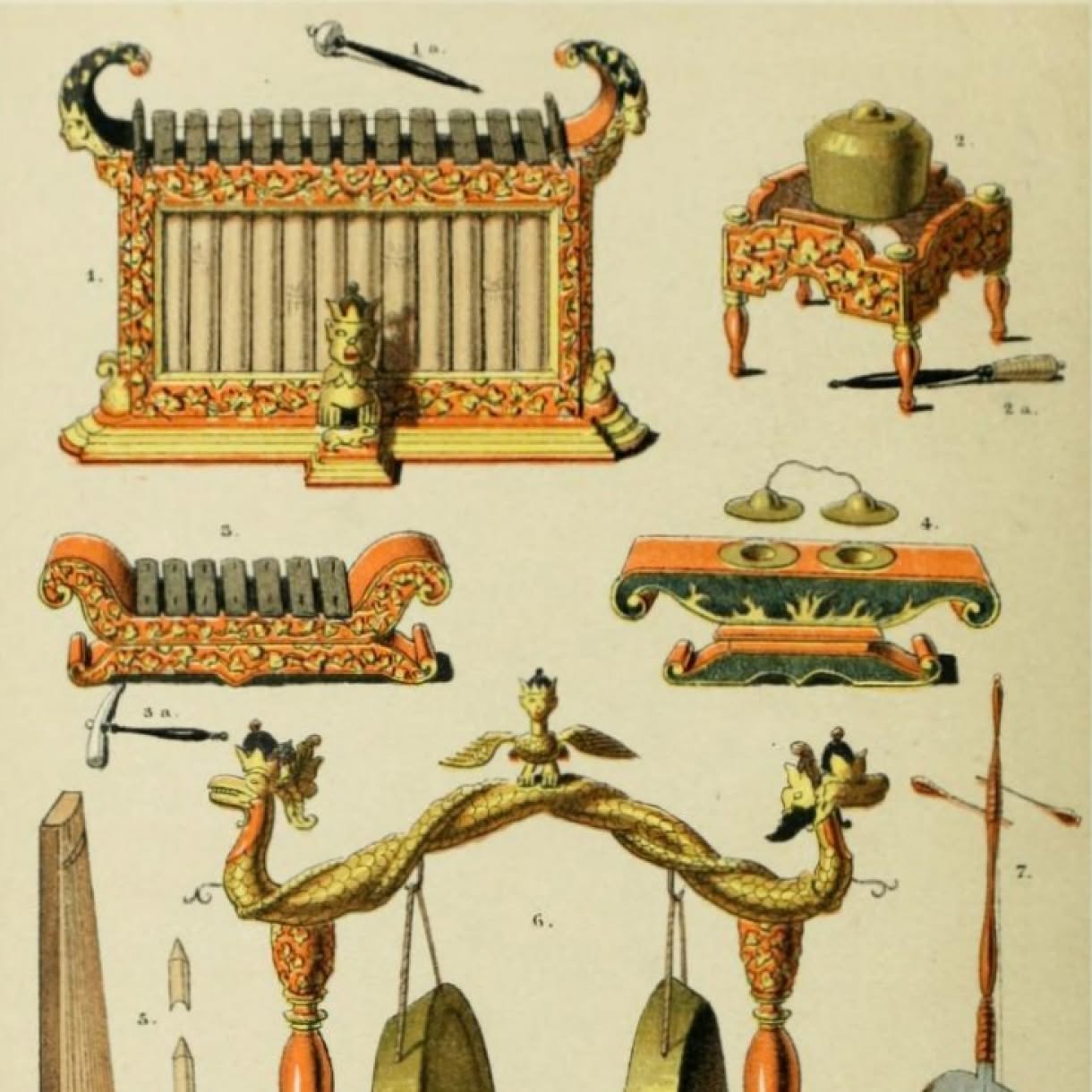
A vintage illustration of elaborately carved gamelan instruments and mallets, including metallophones, small gongs, and a decorative hanging-gong frame.
This is some text ins
This is some text inside of a div block.
A black-and-white concert photo of a seated musician playing a sitar in the foreground while another musician plays a string instrument behind him.
This is some text ins
This is some text inside of a div block.
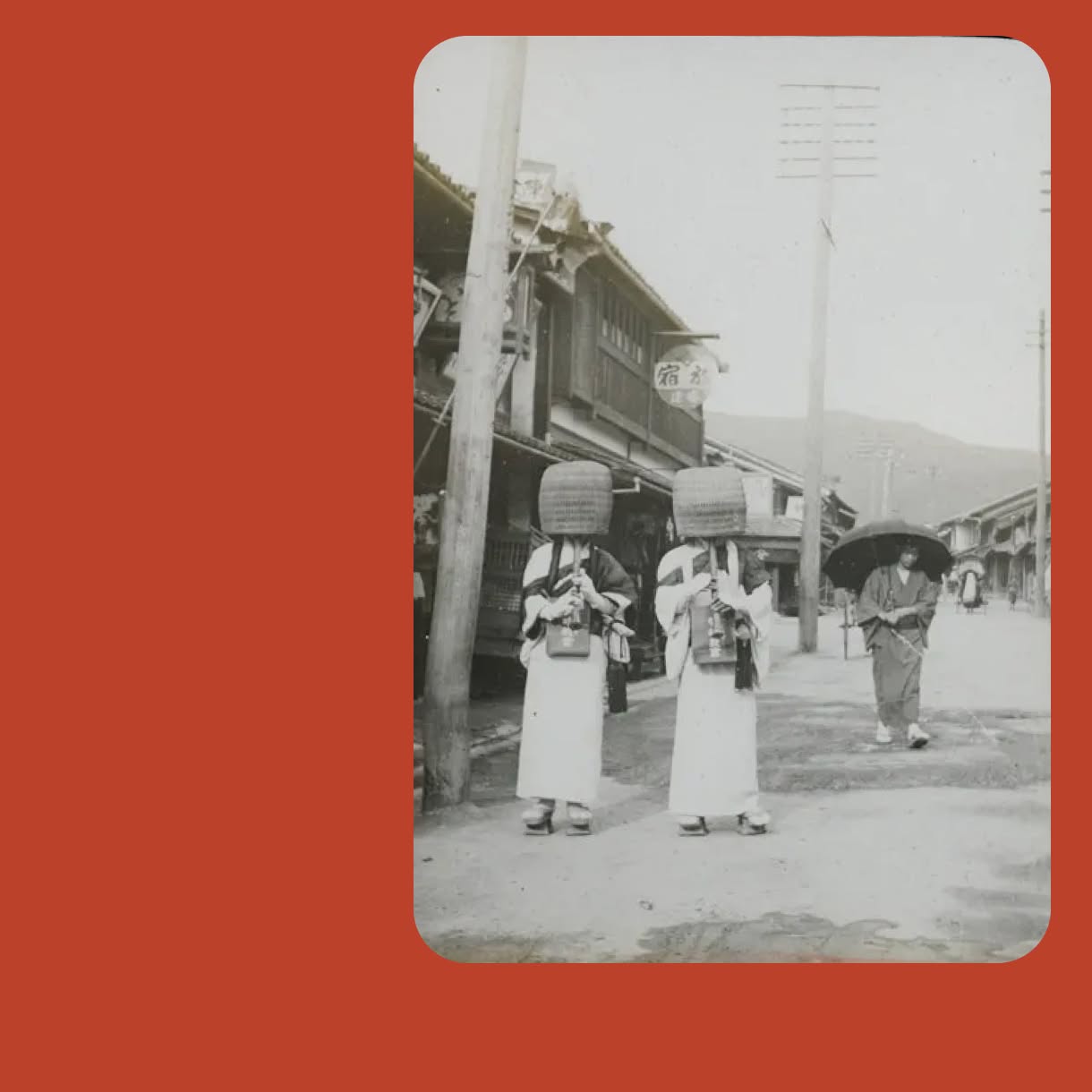
A black-and-white historical street photograph shows two people in light robes and large woven basket hats standing before wooden buildings, with another person carrying an umbrella behind them. The photo is framed by a solid blue background.
This is some text ins
This is some text inside of a div block.
Explore music
A black arrow pointing to the right.
A black circle with a white X on it centered.

What’s up, Kakadu?

Discover the wonders of Australia’s Kakadu National Park, from sacred Aboriginal rock art to rare black wallaroos. Home to the oldest living culture on Earth, explore how this ancient wilderness teaches us about resilience, deep time, and tradition.
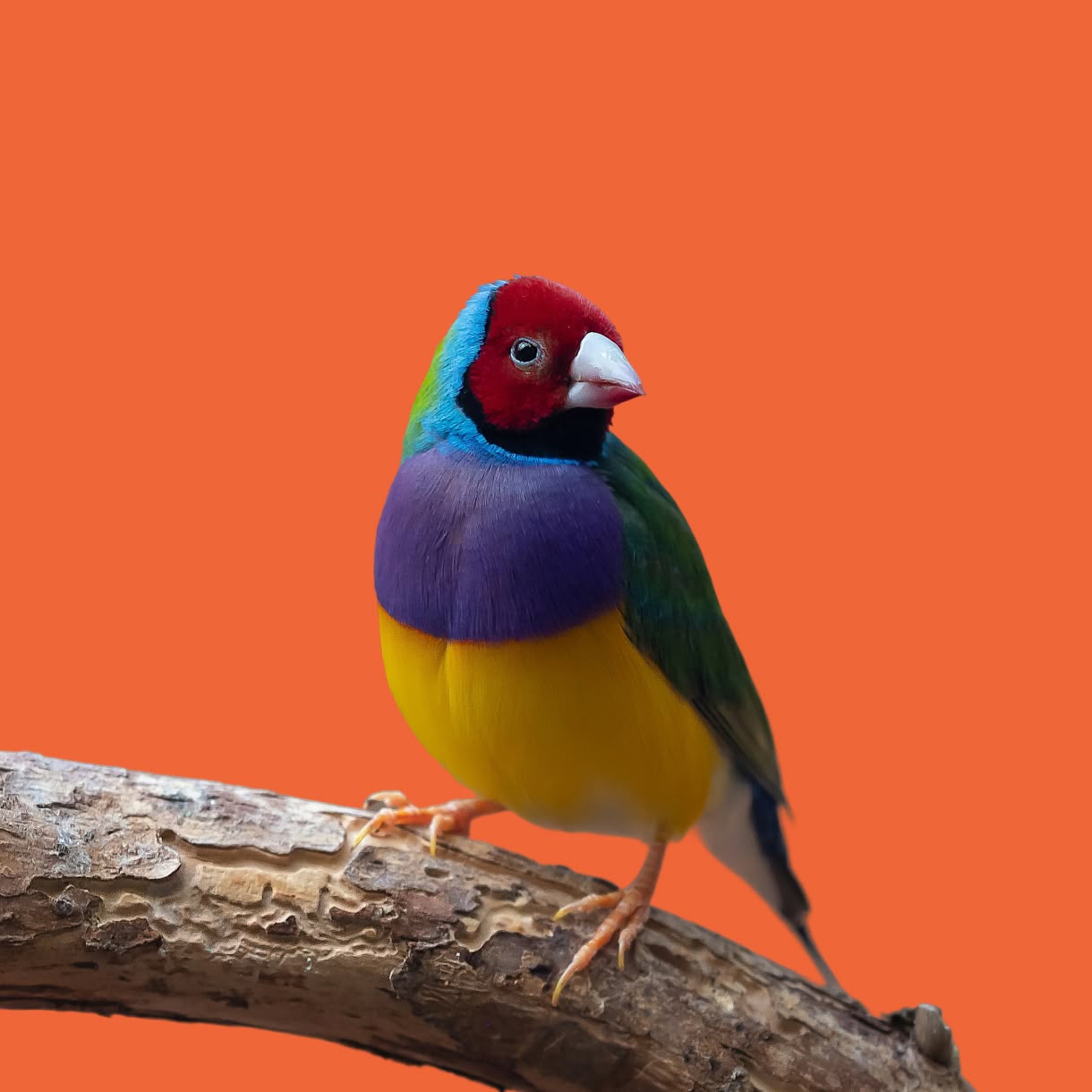
A brightly colored finch with a red face, turquoise neck, purple chest, and yellow belly perches on a branch against a solid orange background.
Birdwatching in Kakadu
Kakadu is home to a rainbow of avian life.
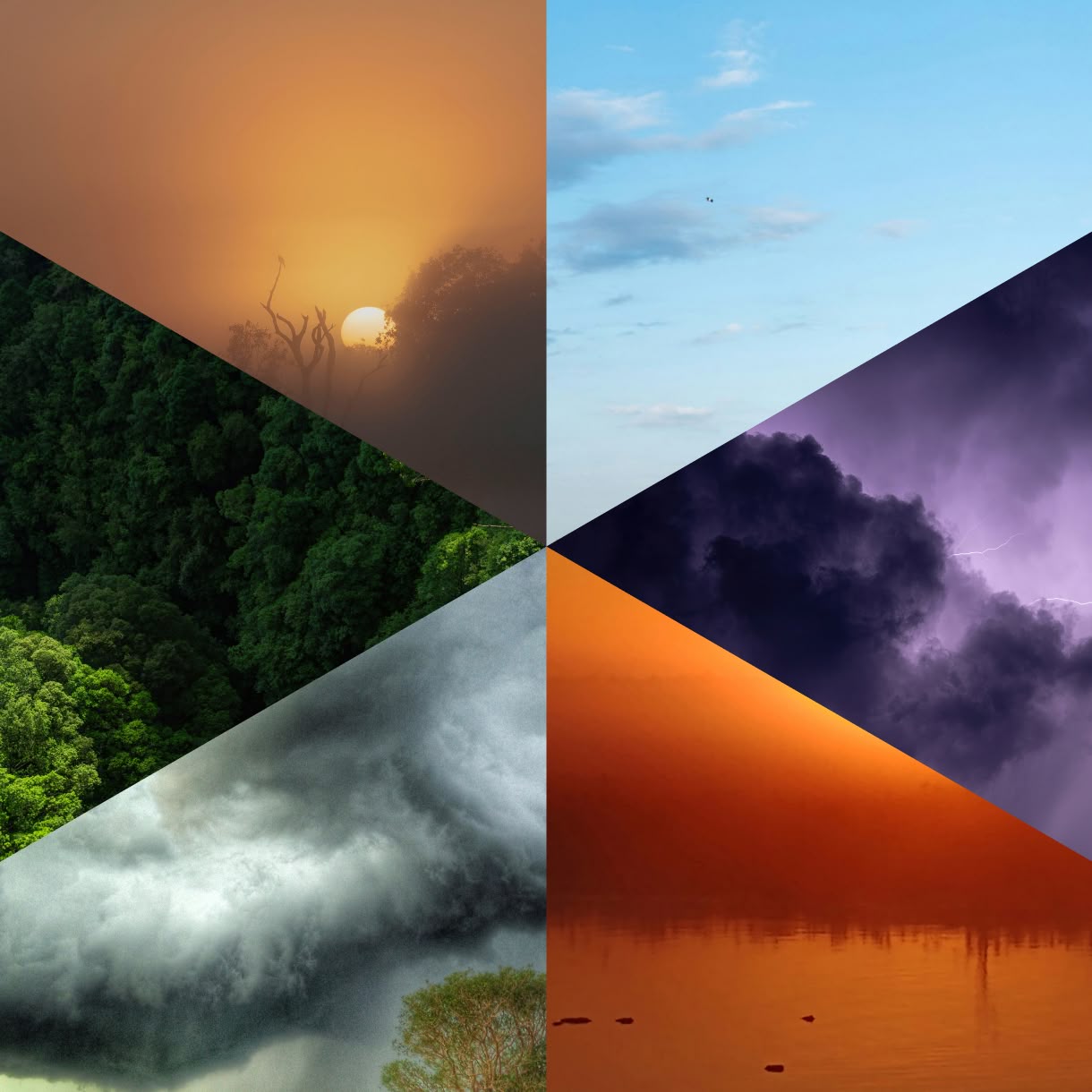
A circular collage divided into six wedge-shaped landscape scenes shows forest, wetlands, sunset, storm clouds, mist, and orange-toned water against a pale lavender background.
Six seasons, not four
Kakadu’s six seasons align their calendars with nature.
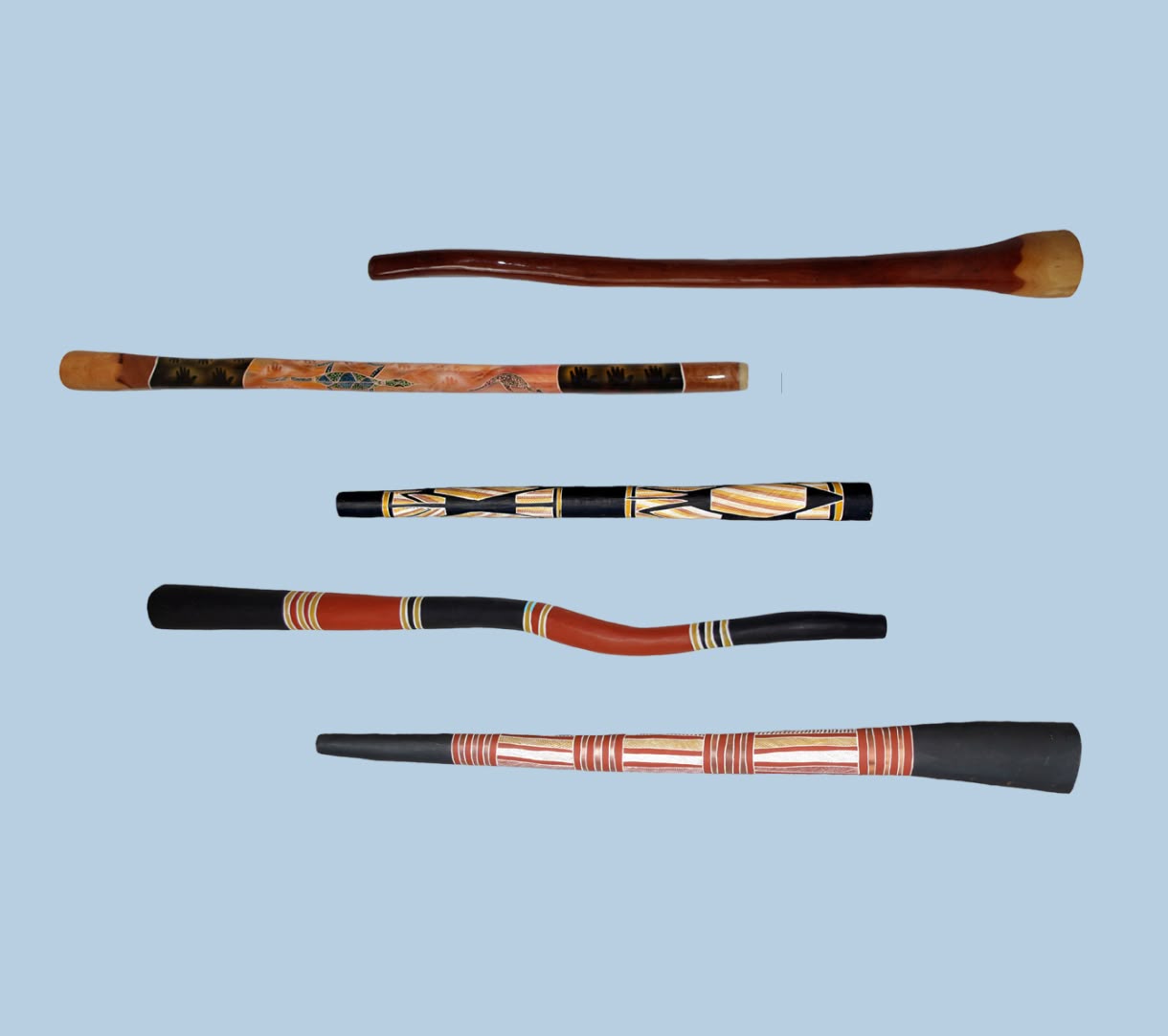
Five decorated didgeridoos in red, black, ochre, and brown stand upright against a pale blue background.
The Didgeridoo
Explore one of the world’s oldest wind instruments.
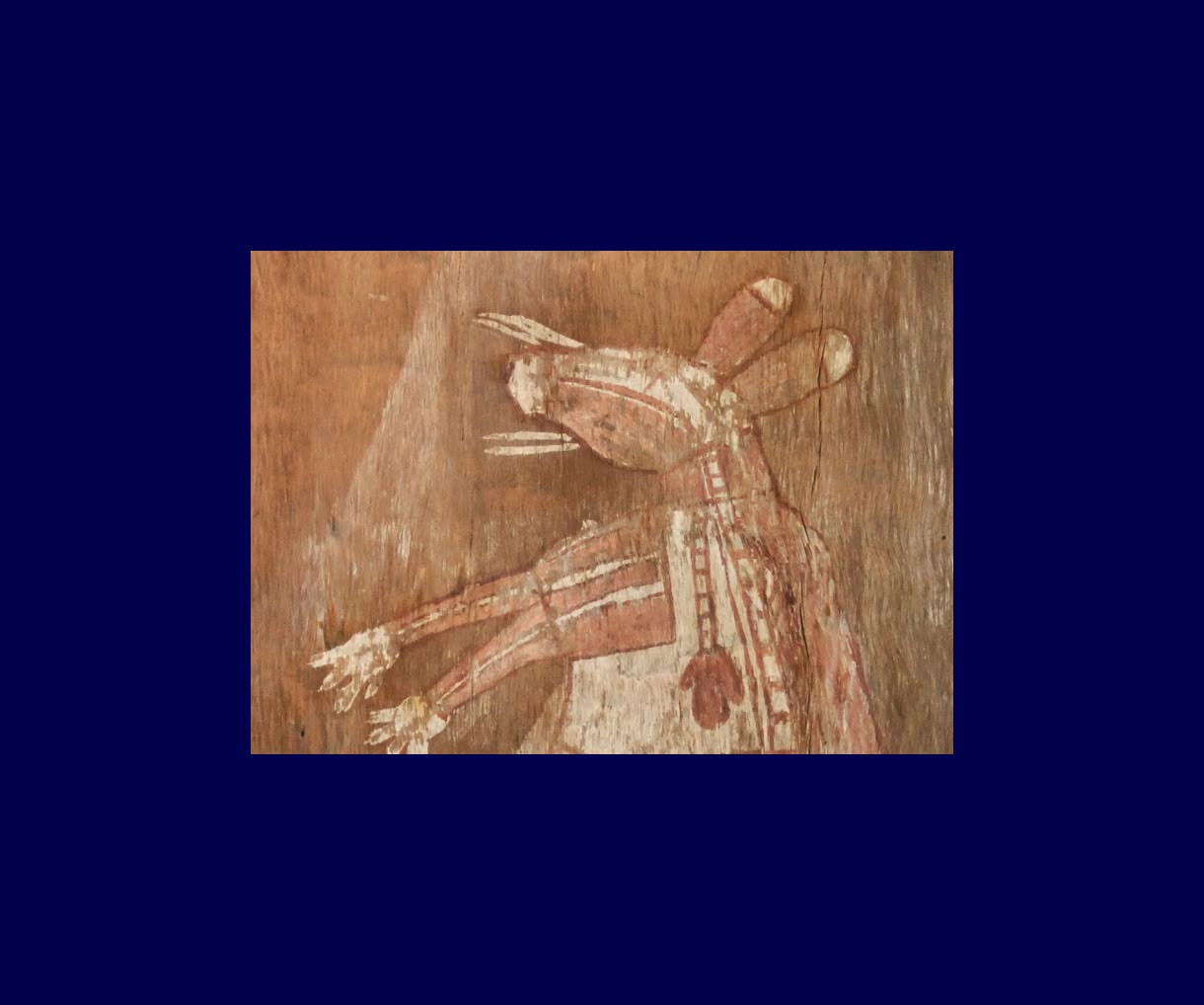
A faded reddish-brown rock painting depicts a stylized human-like figure with an elaborate headdress and outstretched arms, centered on a dark blue background.
Bark painting
Explore timeless Aboriginal stories through this ancient artistic practice.
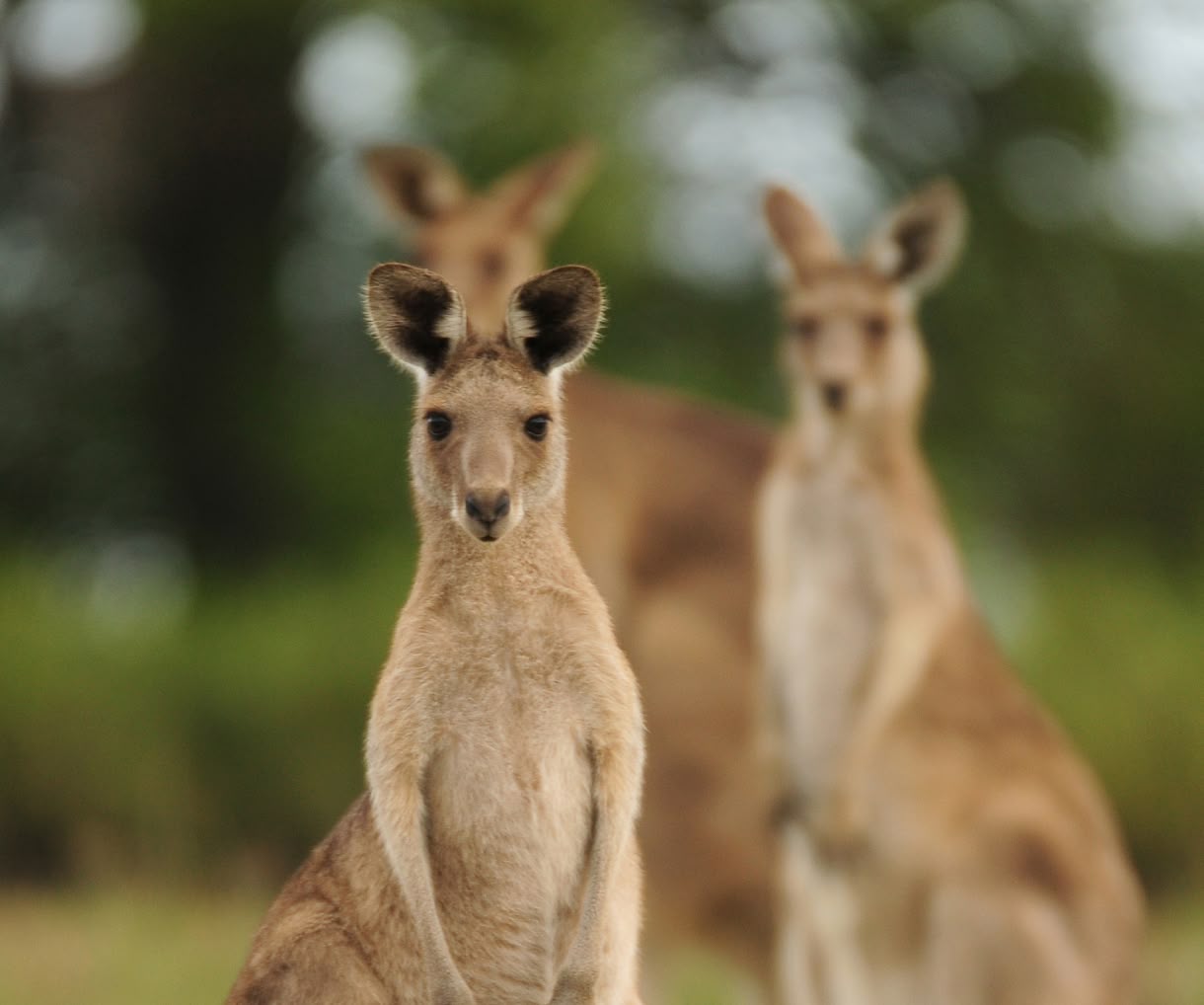
Three kangaroos stand in a grassy landscape, with one in sharp focus in the foreground and two blurred behind it.
Kakdu's incredible creatures
Discover wallaroos, dingoes, gliders, and more.
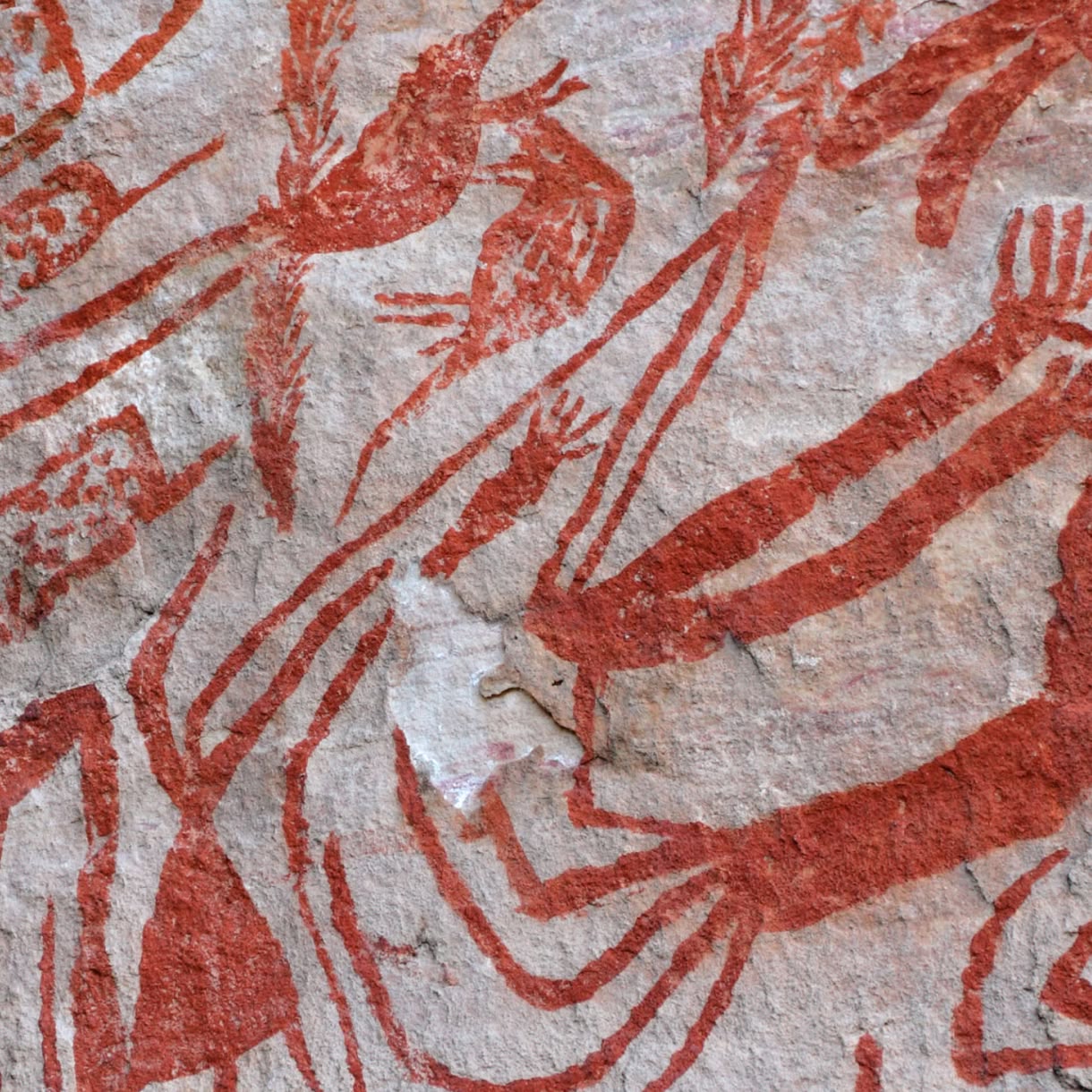
Red ochre rock art on a pale stone surface depicts elongated human-like figures, raised hands, and smaller symbolic shapes.
The Aboriginal rock art of Kakadu
Explore 20,000 years of spiritual expression.
Travel to Kakadu National Park
A white arrow pointing to the right.
A black circle with a white X on it centered.

Who were the ancient Egyptians?

Journey back in time to ancient Egypt, exploring the art, writing, and mythology of this flourishing civilization.
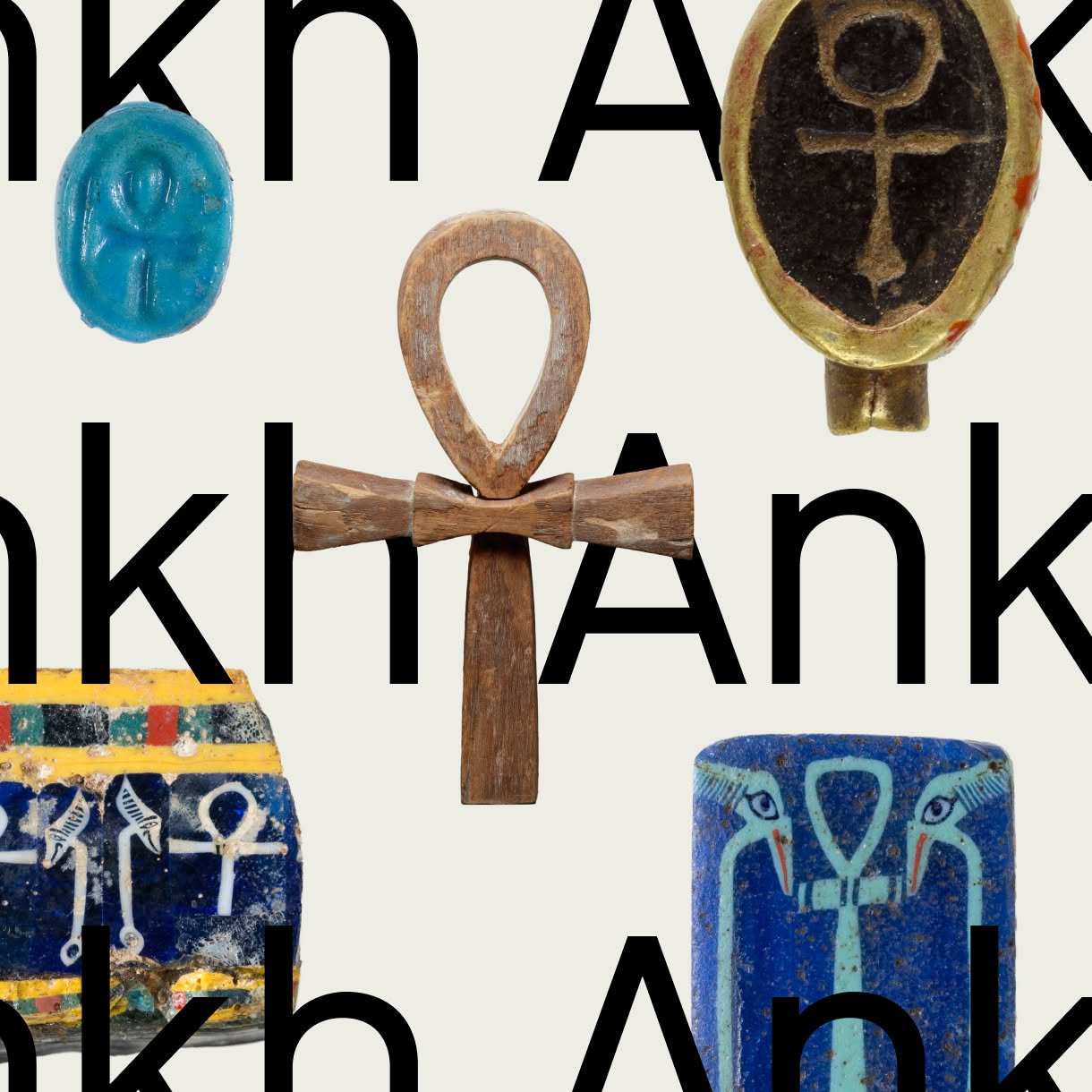
A collage of ancient Egyptian ankh symbols and decorated artifacts is arranged over oversized black text repeating “Ankh.”
Ankh
Discover the meaning of “life” in ancient Egypt.
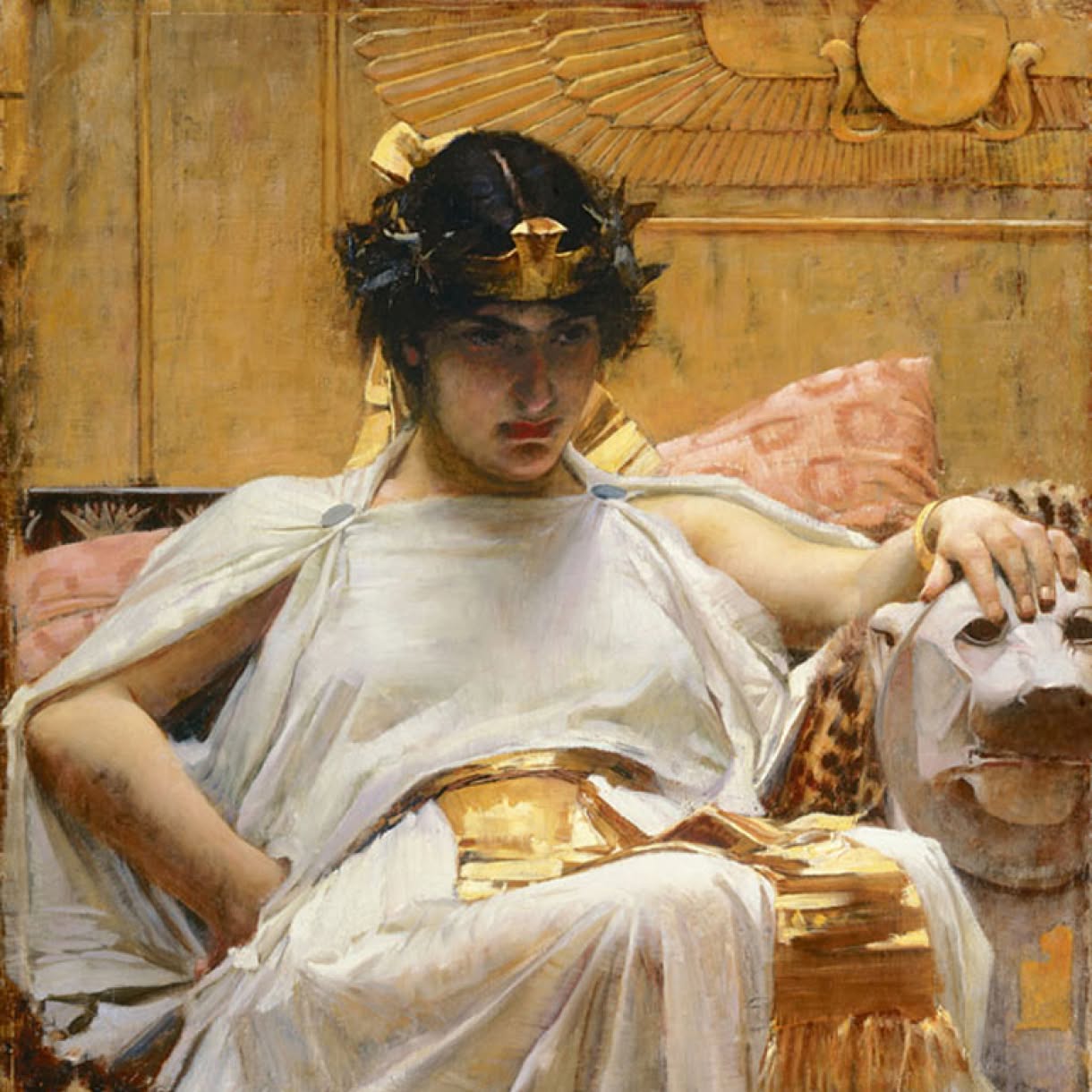
A painting depicts Cleopatra in white and gold Egyptian-style dress and headdress, resting one hand on a sculpted animal form against a richly decorated interior.
Cleopatra, Queen of the Nile
Meet Cleopatra, the most revered queen of antiquity.
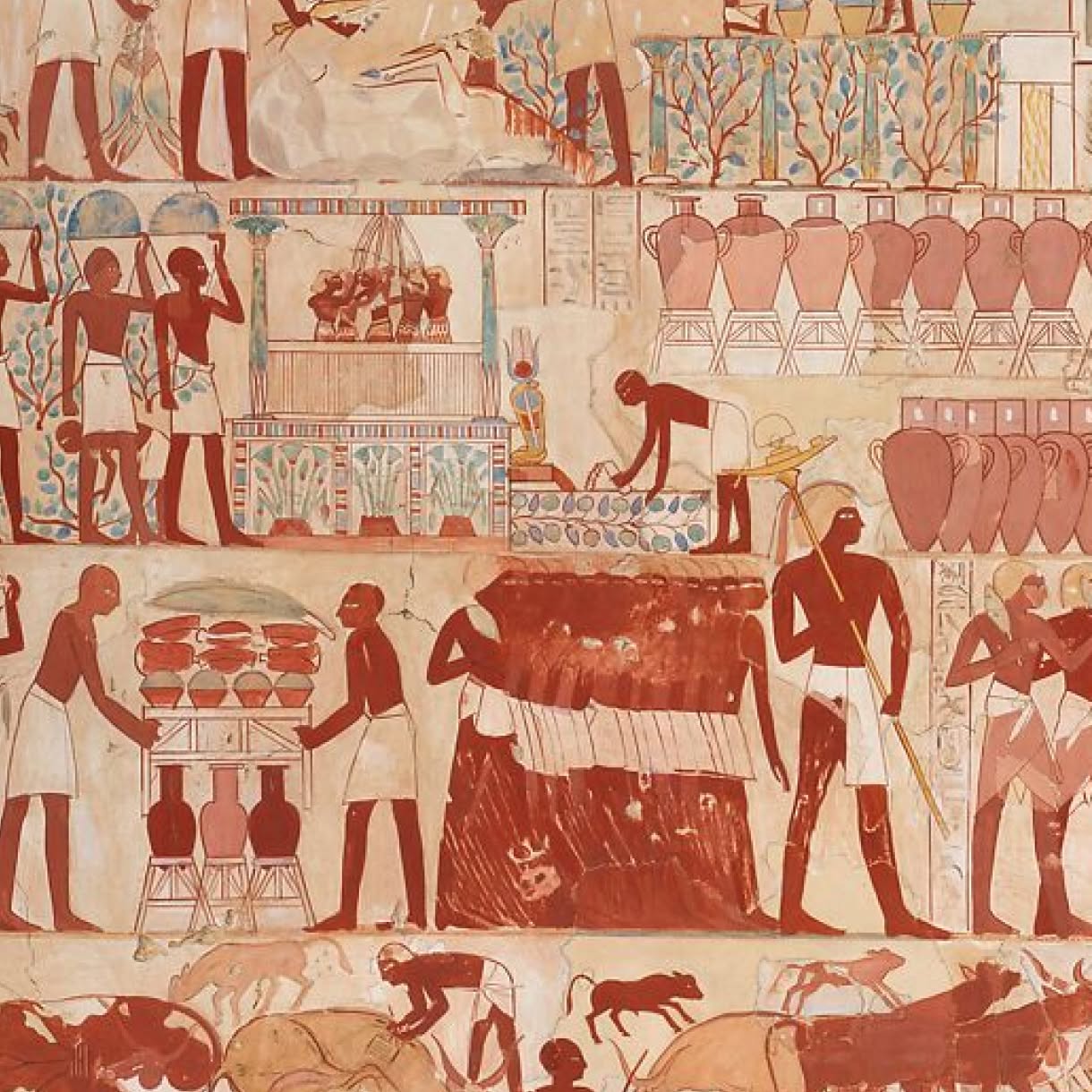
An ancient Egyptian wall painting shows rows of figures working among large jars, vessels, plants, and livestock in red, cream, and blue tones.
Egypt's "Where's Waldo?"
Look closely at ancient Egyptian hieroglyphic art.
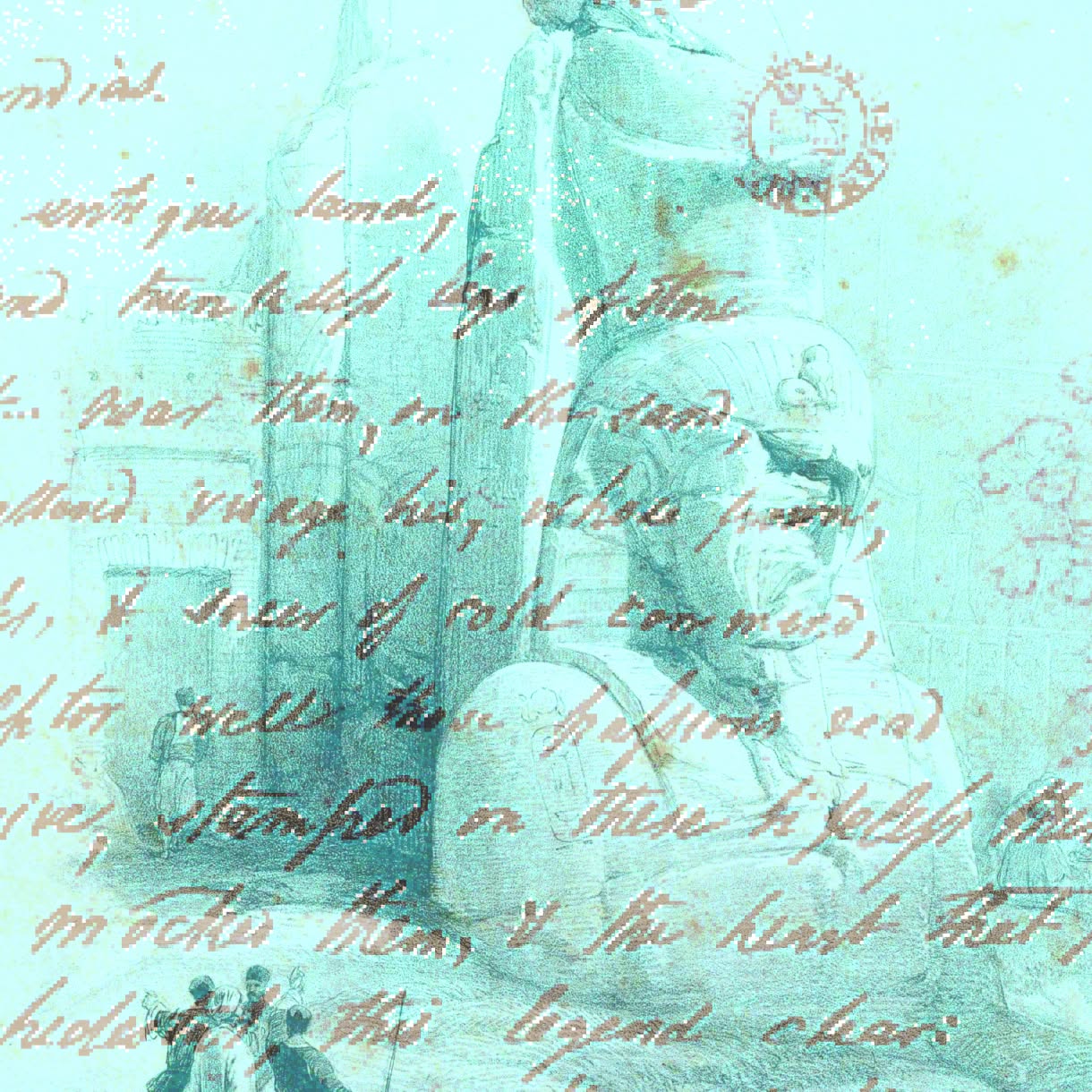
A pale turquoise collage overlays cursive handwriting across a faint historical image of a seated figure and architectural forms.
Ozymandias
Famous sonnets inspired by an ancient Egyptian statue.
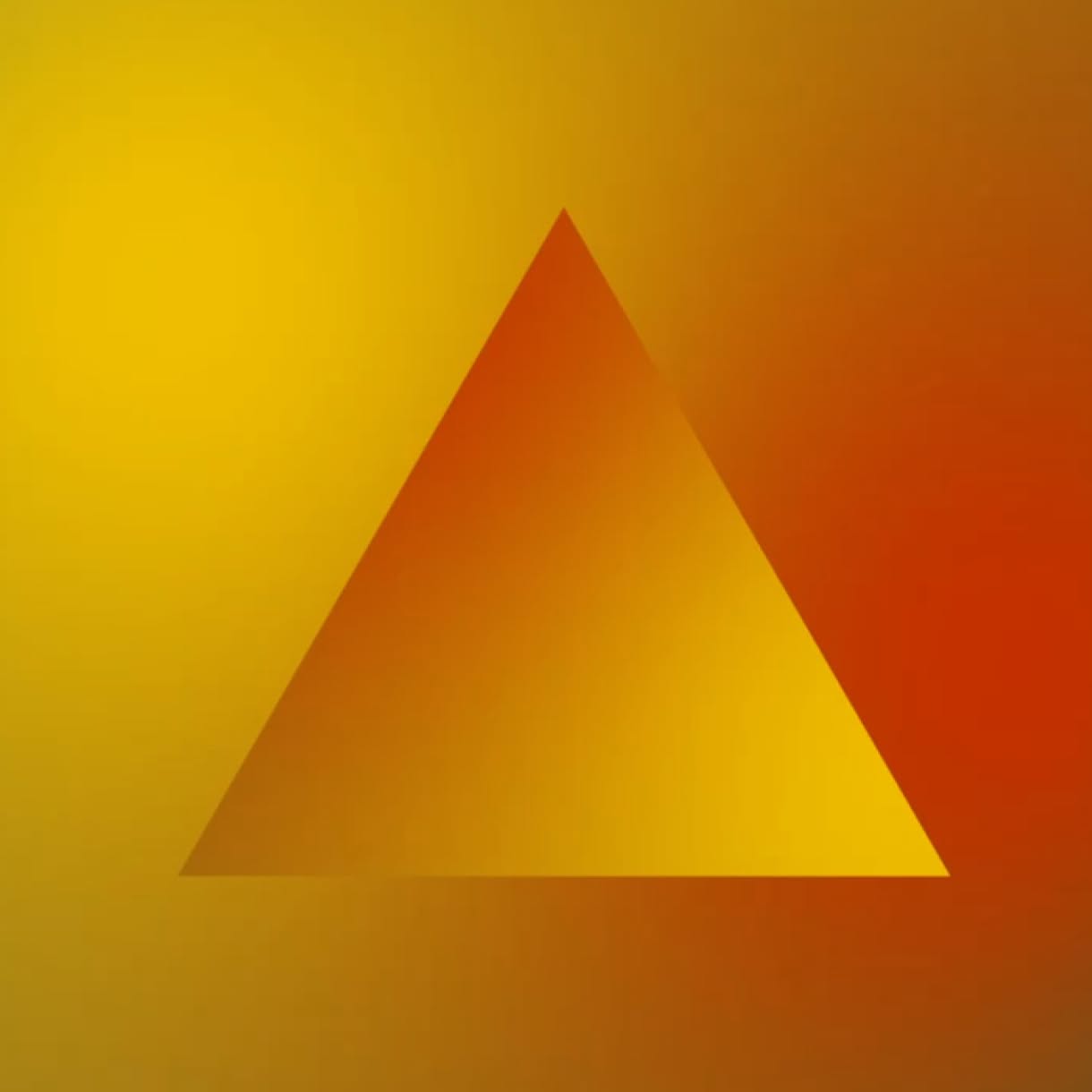
A large orange triangle sits against a softly blurred yellow-to-red gradient background.
Pyramid breathing 
Indulge in a breathing exercise fit for a pharaoh.
A black-and-white photograph shows two men examining an opened decorated sarcophagus containing a wrapped body and funerary objects.
Inside King Tut’s tomb
Peek inside the tomb of the boy king, Tutankhamun.
Explore ancient Egypt
A white arrow pointing to the right.
an app for curious MINDS

Less mindless scrolling, more meaningful discovery.

Less scrolling,
more discovery.

Less mindless scrolling,
more mindful discovery.

Learn • Reflect • Imagine • Grow

600+ topics · read, listen, watch, or walk
100% human-made content · ad free
Start exploring
A white arrow pointing to the right
Start exploring
A white arrow pointing to the right
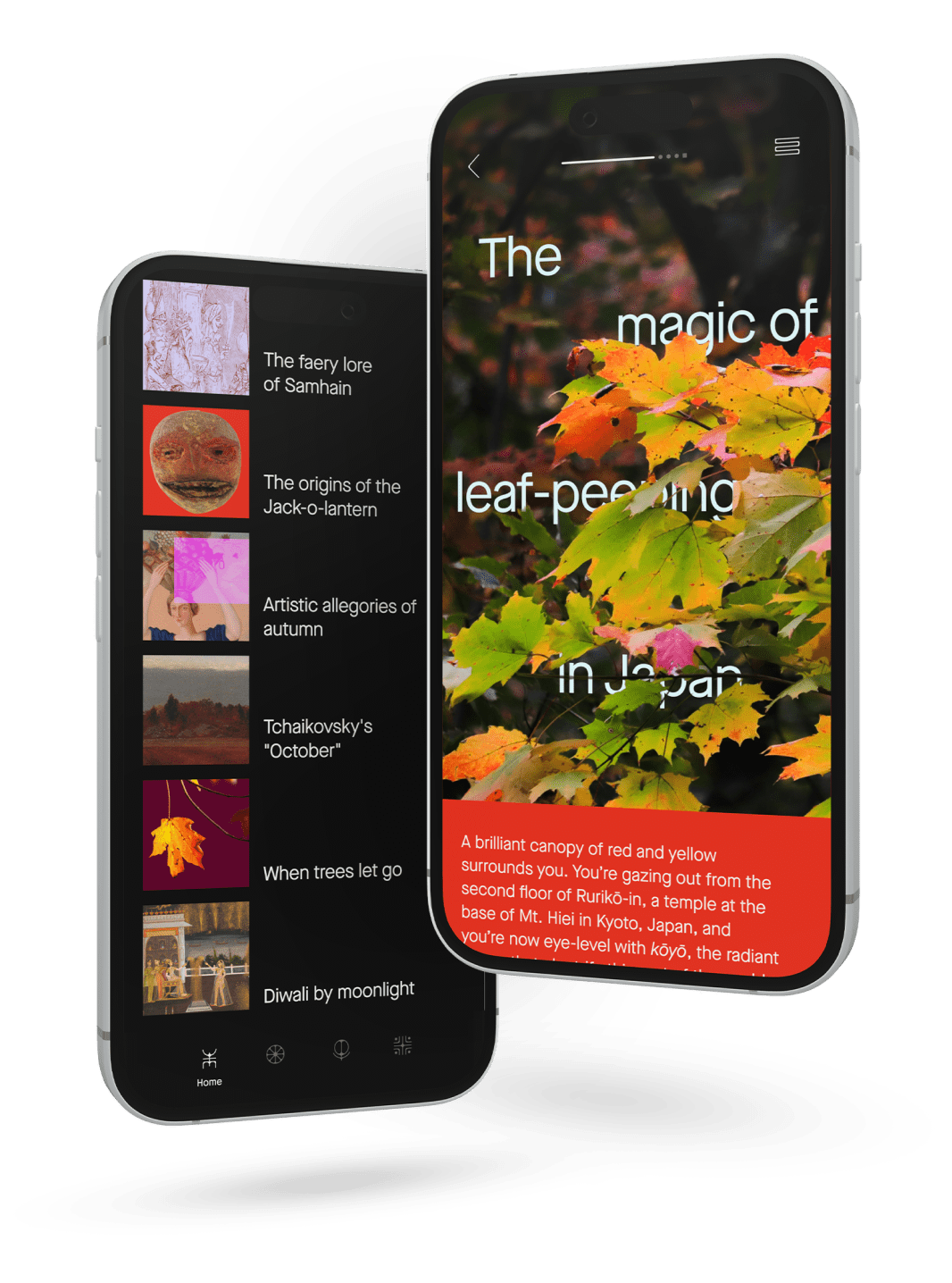
Two phone screens with imagery are tiled towards each other.Two phone screens with imagery are tiled towards each other.

Follow your curiosity.

Explore a collection of ideas, stories, and perspectives around whatever sparks your interest.
A green arrow pointing left.
A green arrow pointing right.
A green arrow pointing left.
A green arrow pointing right.
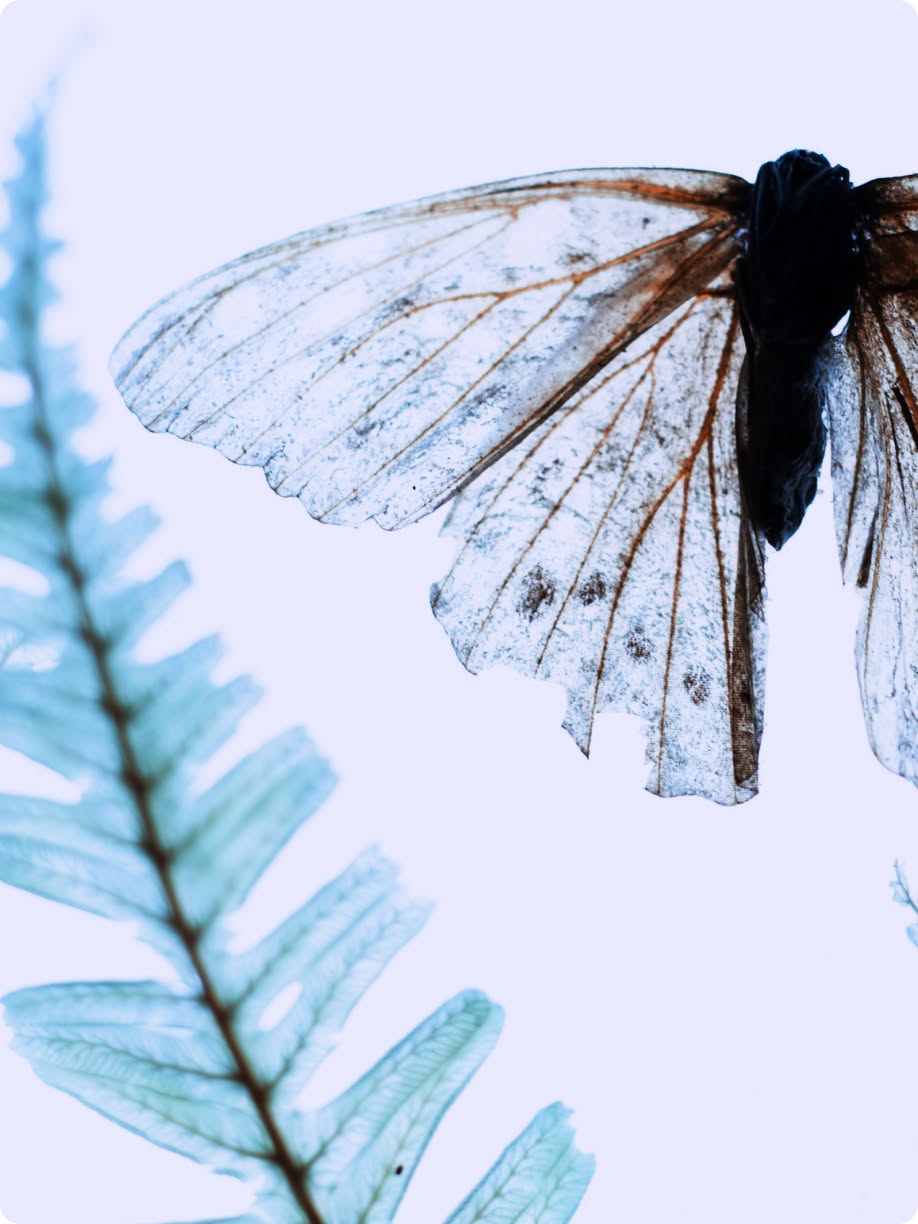
Are fractals nature’s native language?
A close-up of a dark-bodied butterfly with translucent, worn wings against a pale blue-white background. A softly blurred fern frond rises along the left side.

Are fractals nature's native language?

Examine the breathtaking creativity of the universe, found in the most unexpected corners of our lives—in a fern frond, a snowflake, a coastline.

Blue arrow pointing to the right.
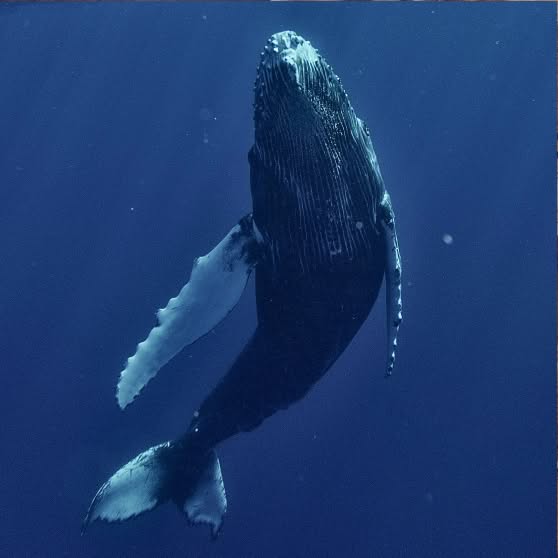
How deep is the sea?
A humpback whale swims upward through deep blue water, viewed from below with its long pectoral fins extended. Light catches the whale’s ridged underside and tail as small particles drift around it.

How deep is the sea?

From bioluminescent creatures to ancient shipwrecks, uncover the secrets of Earth's final frontier.

White arrow pointing to the right.
What is love?
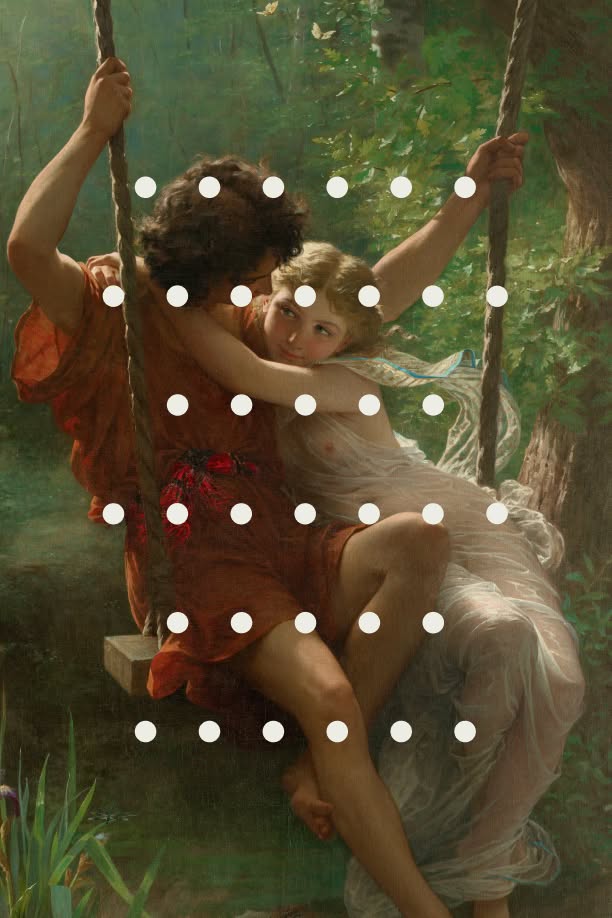
A painting by Pierre Auguste Cot made in 1873 depicting a young couple embracing on a rope swing in a lush forest, the woman in a flowing white dress and the man in red. Rows of white circular dots are overlaid across the image.

WHAT IS LOVE?

From the neuroscience of romance to intimate letters between literary legends, discover the many ways love shapes our world and connects us all.

White arrow pointing to the right.
Where do colors come from?
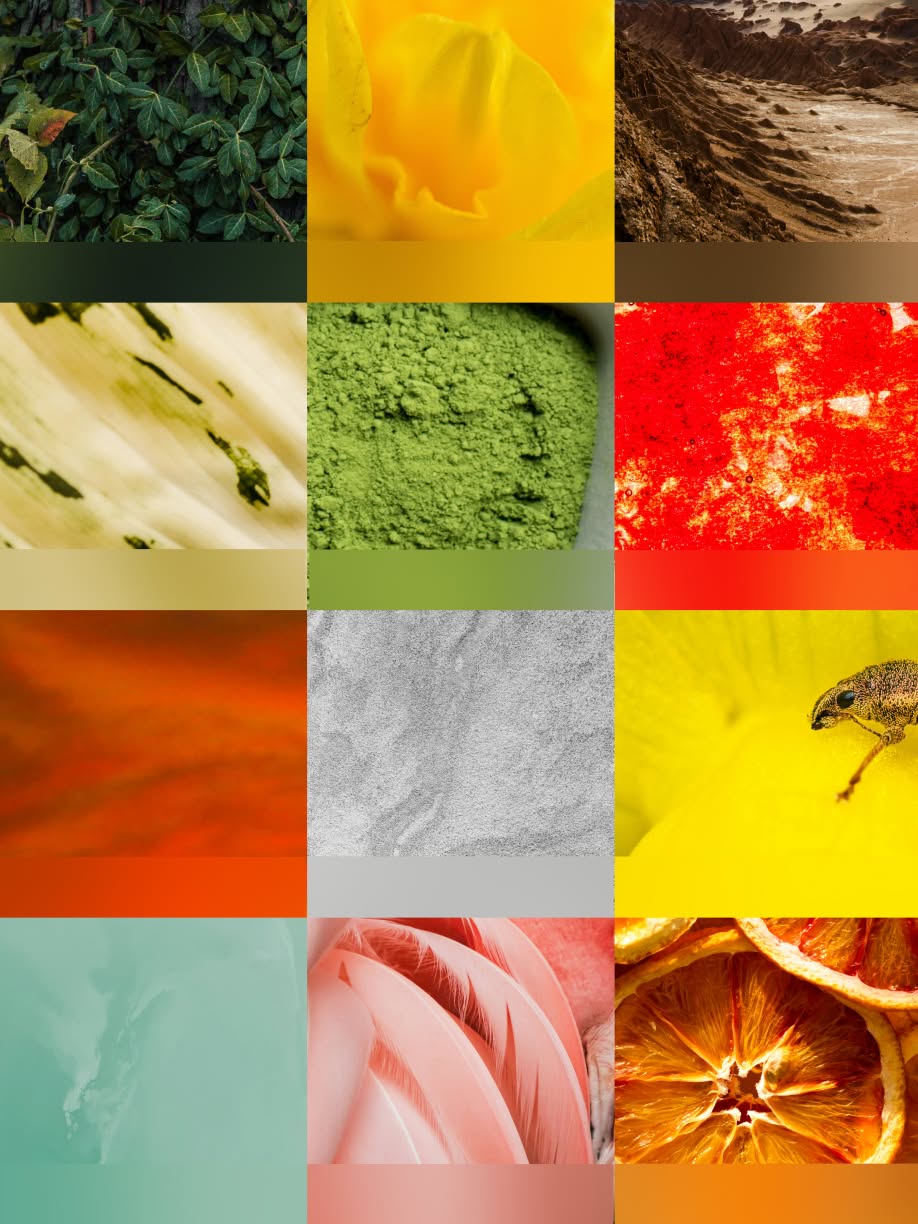
A 4-by-3 grid of close-up nature photographs, including leaves, a yellow flower, desert ridges, plant fibers, green powder, red mineral texture, a beetle, feathers, and dried citrus slices. Each image is paired with a matching horizontal color swatch beneath it.

WHERE DO COLORS COME FROM?

Trace color’s origins from ancient microbes and accidental lab breakthroughs to new hues only a handful of humans have ever perceived, exploring how science, art, and the mind collaborate to make the world visible.

White arrow pointing to the right.
Are we in sync?
An antique brass astrolabe with concentric engraved rings, a rotating pointer, and a suspension loop, centered against a pale lavender background.

ARE WE IN SYNC?

Explore how nature’s rhythms keep the universe in sync.

Blue arrow pointing to the right.
What inspires us to create?
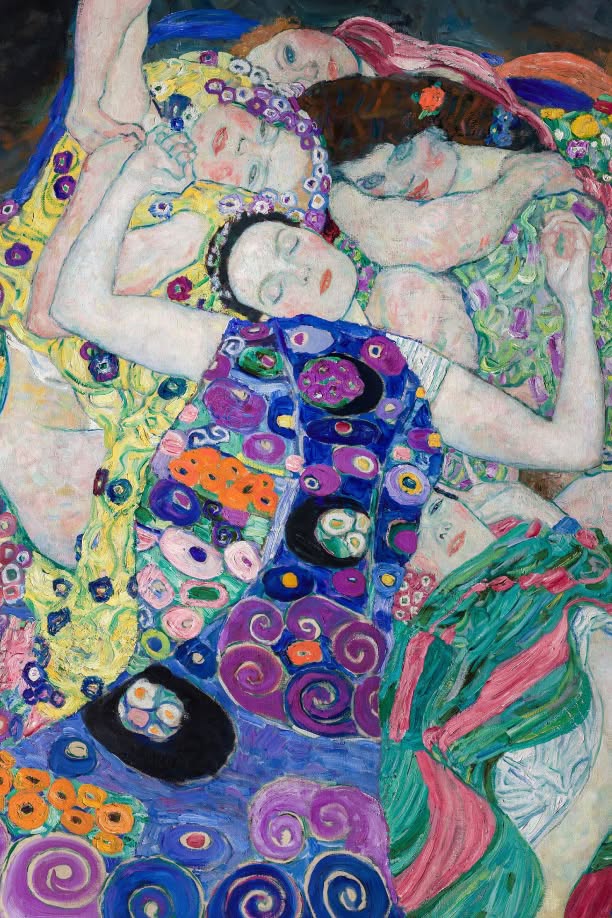
A painting by Gustav Klimt made in 1913 depicting several women intertwined in sleep, their pale figures surrounded by richly patterned garments in blue, green, yellow, and pink.

WHAT INSPIRES US TO CREATE?

From dreams to daily rituals, explore the many forces that ignite creativity and how to harness them in your own life.

White arrow pointing to the right.
What are the world’s most fascinating music genres?
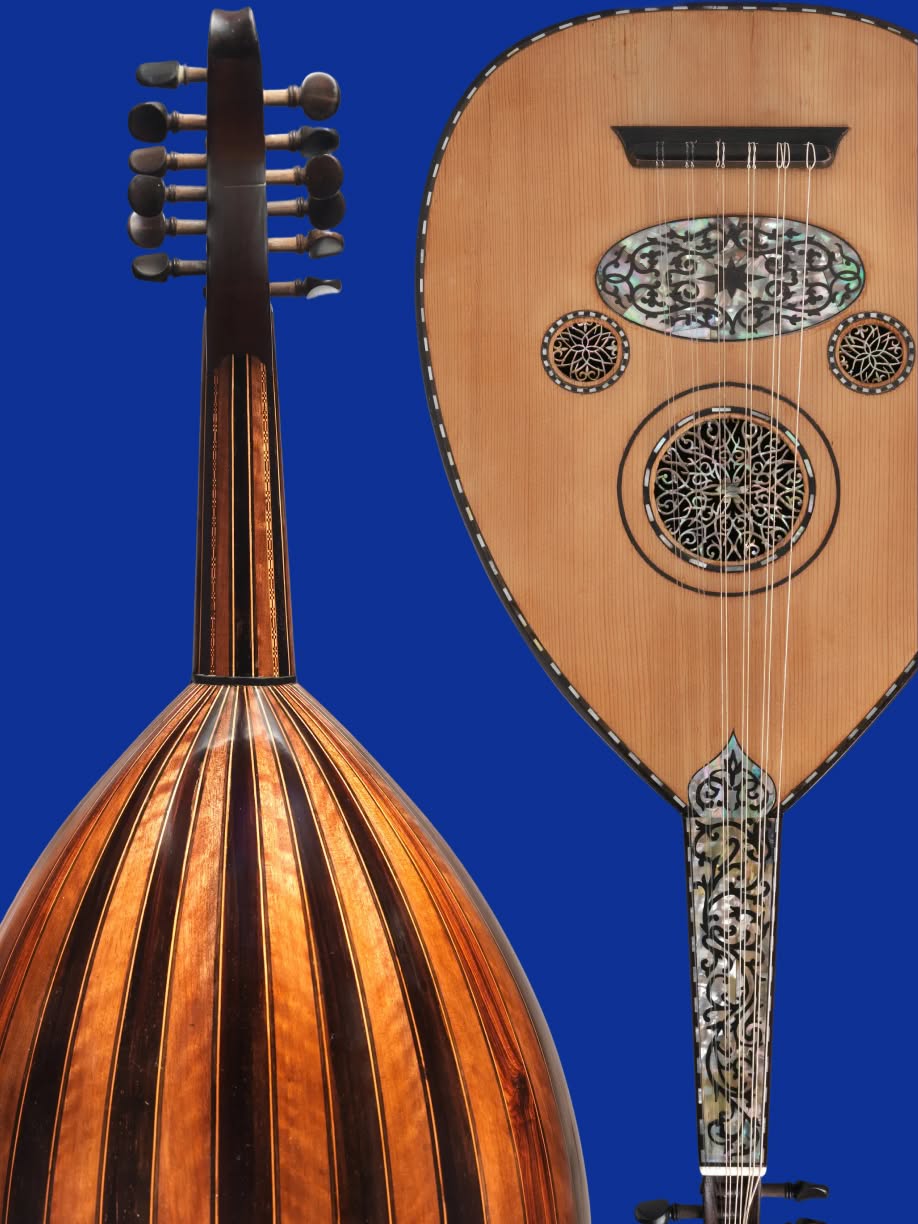
Front and back views of a wooden oud against a deep blue background, showing its pear-shaped ribbed body, short neck, and multiple tuning pegs. The soundboard features strings and ornate circular and oval inlays.

WHAT ARE THE WORLD'S MOST FASCINATING music genres?

Explore how unique styles of music emerge around the world. From indie pop to digital cumbia, we’re adding these novel genres to our playlists.

White arrow pointing to the right.
Ever been to Kakadu National Park?
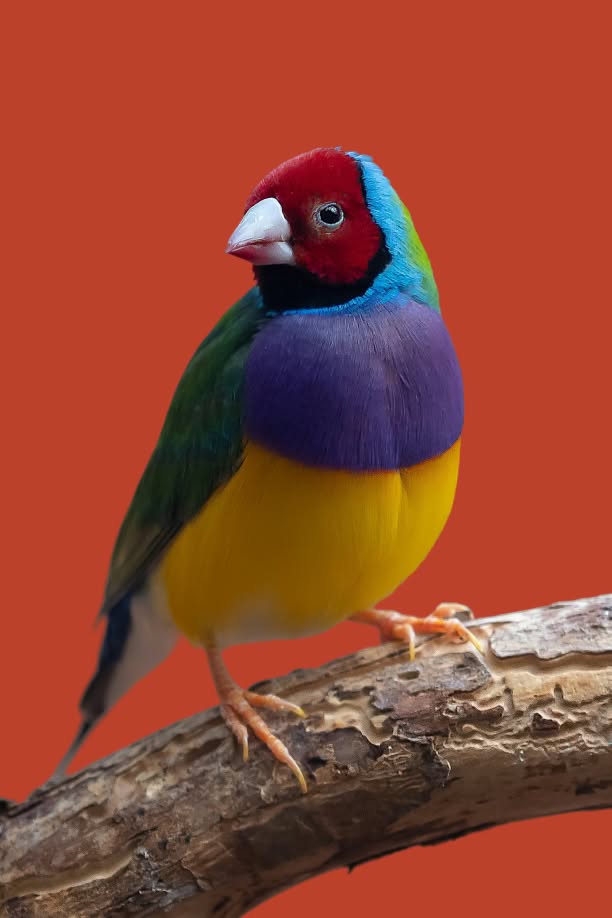
A brightly colored Gouldian finch with a red head, purple chest, yellow belly, and green wings perches on a branch against a rust-red background.

ever been to kakadu national park?

Home to the oldest living culture on Earth, explore how this ancient wilderness teaches us about resilience, deep time, and the balance between nature and tradition.

White arrow pointing to the right.
Who were the ancient Egyptians?
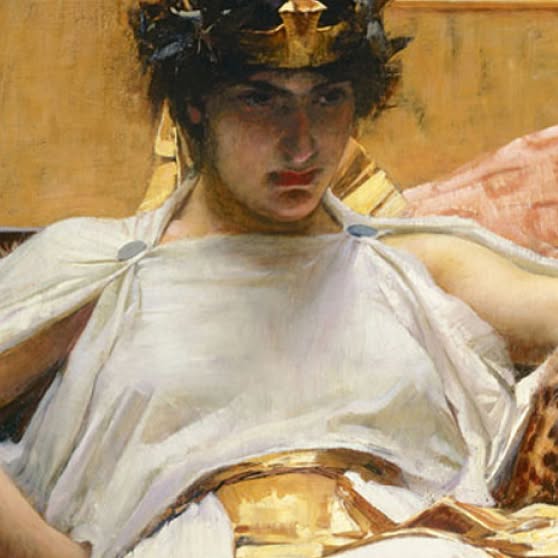
A painting by John William Waterhouse made in 1888 depicting Cleopatra seated in a white draped gown, wearing a gold headdress and staring intensely forward. Gold furnishings and leopard-patterned fabric surround her.

WHO WERE THE ANCIENT EGYPTIANS?

From the reigns of the pharaohs to the building of the pyramids, discover what has fascinated humankind for centuries.

White arrow pointing to the right.
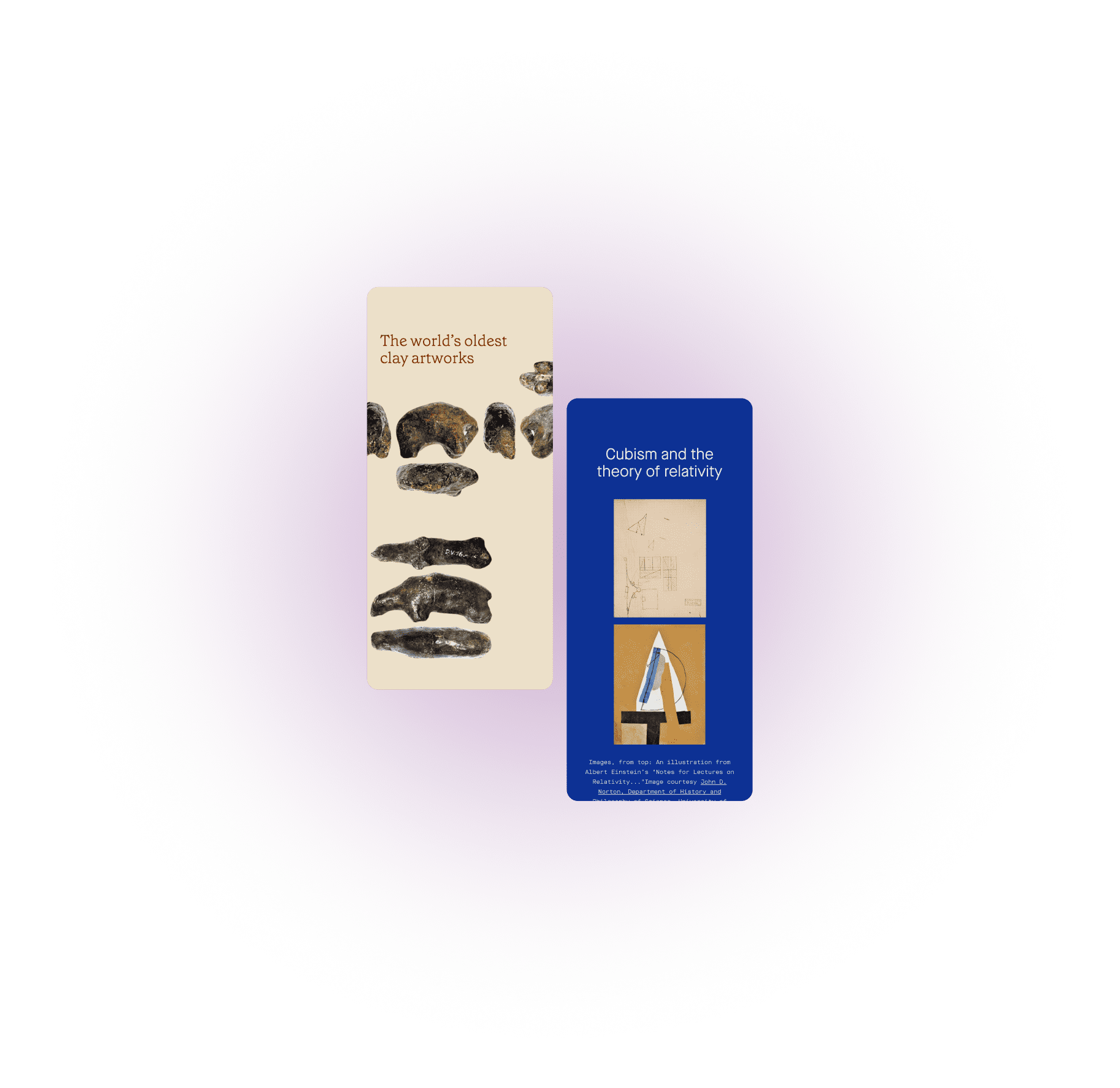
Two tall exhibit-style cards sit on a lavender circle against a dark green background: one titled “The world’s oldest clay artworks” with photos of small clay fragments, and one titled “Cubism and the theory of relativity” with a sketch and abstract artwork.

Short, beautiful reads

Immersive museum-style learning on over 600 topics from fungi to philosophy

Explore Immerse
A green arrow pointing to the right.
Explore Immerse
A green arrow pointing to the right.
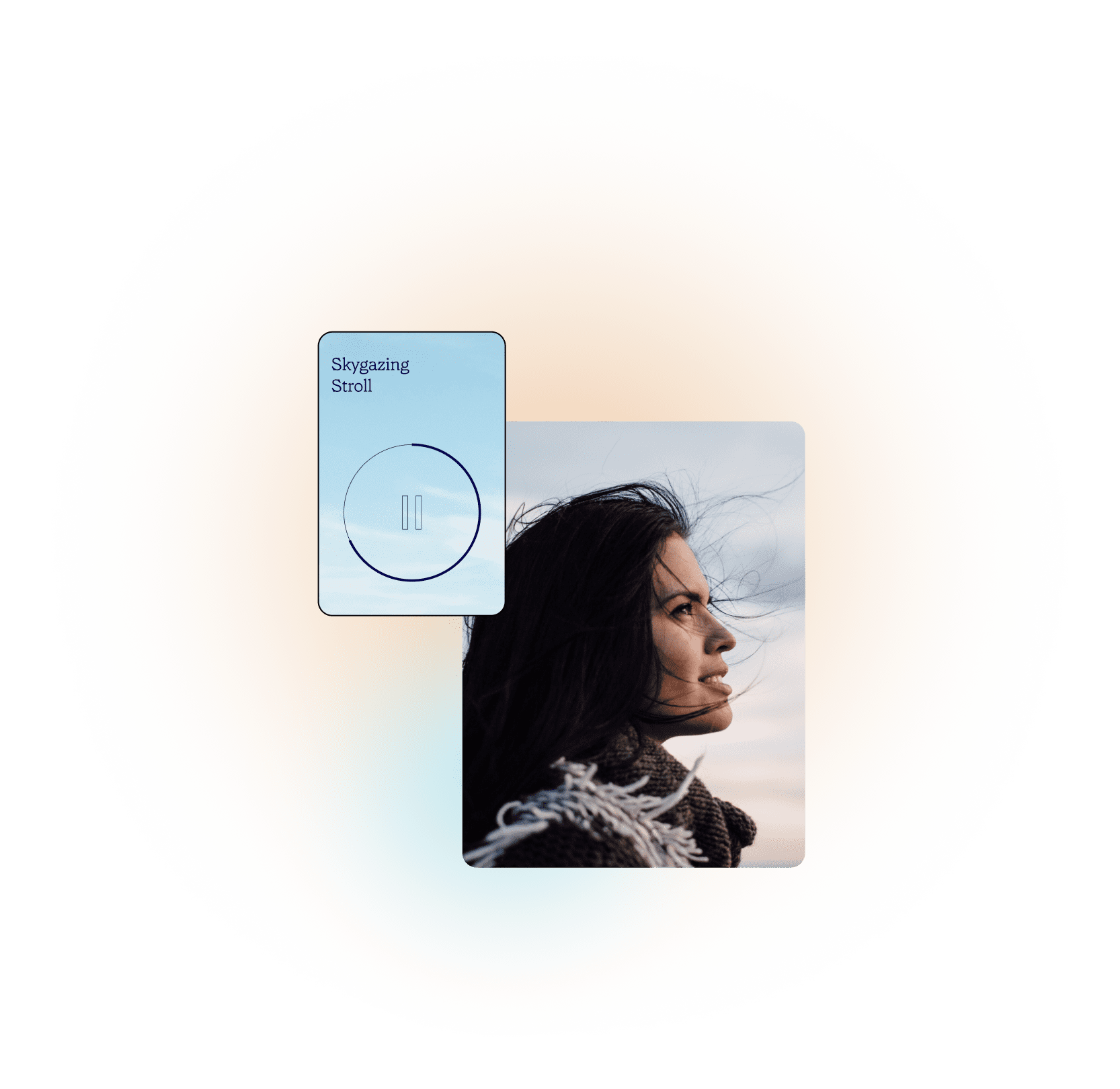
A glowing circular gradient on a black background frames a profile photo of a woman with dark hair blowing in the wind. A translucent blue audio player labeled “Skygazing Stroll” with a pause icon overlaps the photo.

Find awe on your next walk

Stay grounded and awaken your senses with mindful walking

Appreciating Autumn
Start walking
A green arrow pointing to the right.
Start walking
A green arrow pointing to the right.
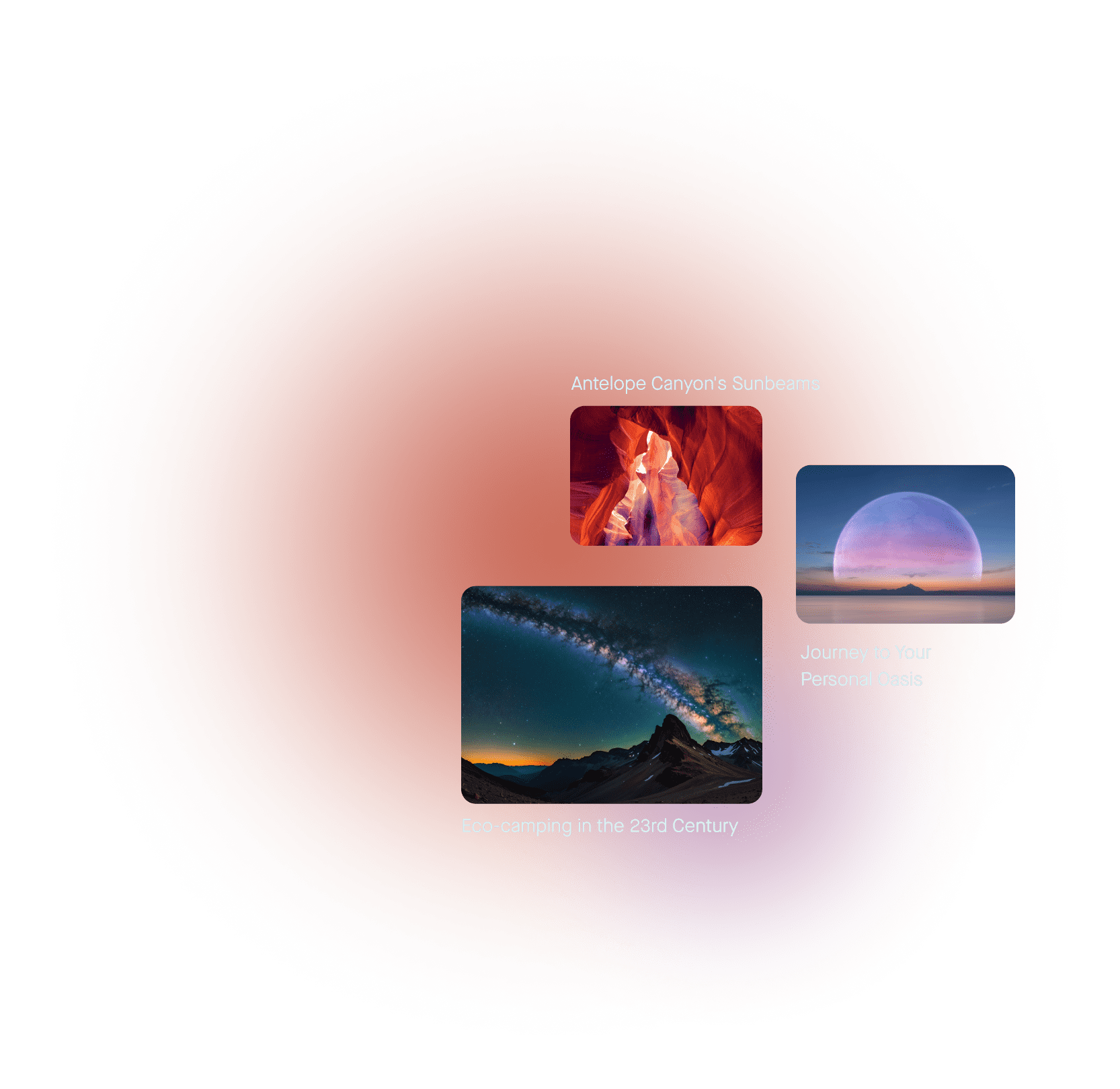
A glowing circular gradient on a black background frames a profile photo of a woman with dark hair blowing in the wind. A translucent blue audio player labeled “Skygazing Stroll” with a pause icon overlaps the photo.

Let your mind wander

Guided visualizations that take you to another place, another time, or another point of view

Drifting to Sleep on Idaho's Salmon River
Take a relaxing escape
A red arrow pointing to the right.
Take a relaxing escape
A red arrow pointing to the right.
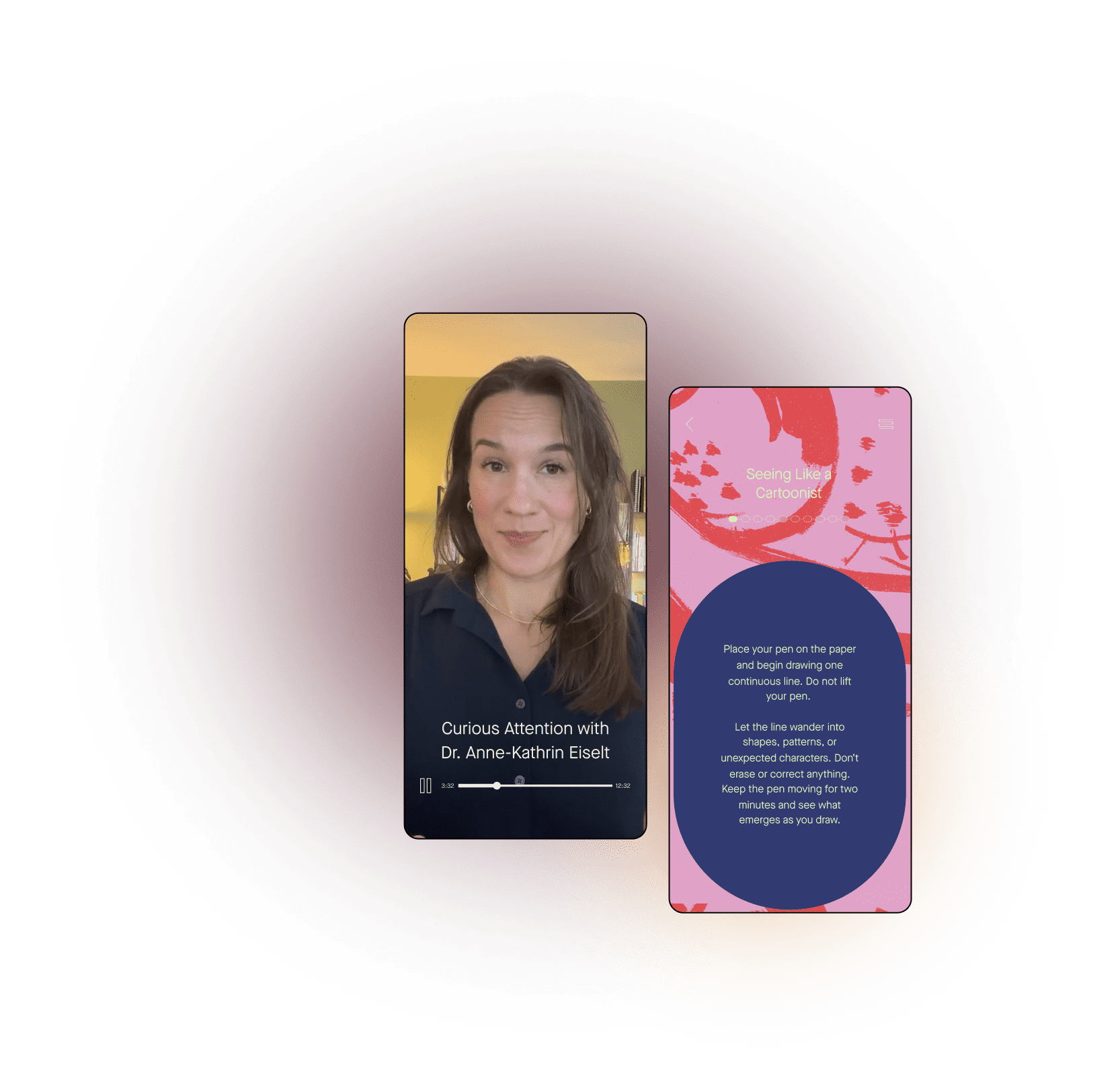
A red-and-black glowing circular background frames two mobile screens: one shows a woman in a video titled “Curious Attention with Dr. Anne-Kathrin Eiselt,” and the other displays a pink drawing exercise titled “Seeing Like a Cartoonist.”

Put curiosity into practice

Hands-on exercises to strengthen curiosity from expert Curiosity Guides

Meet our Guides
An orange arrow pointing to the right.
Meet our Guides
An orange arrow pointing to the right.
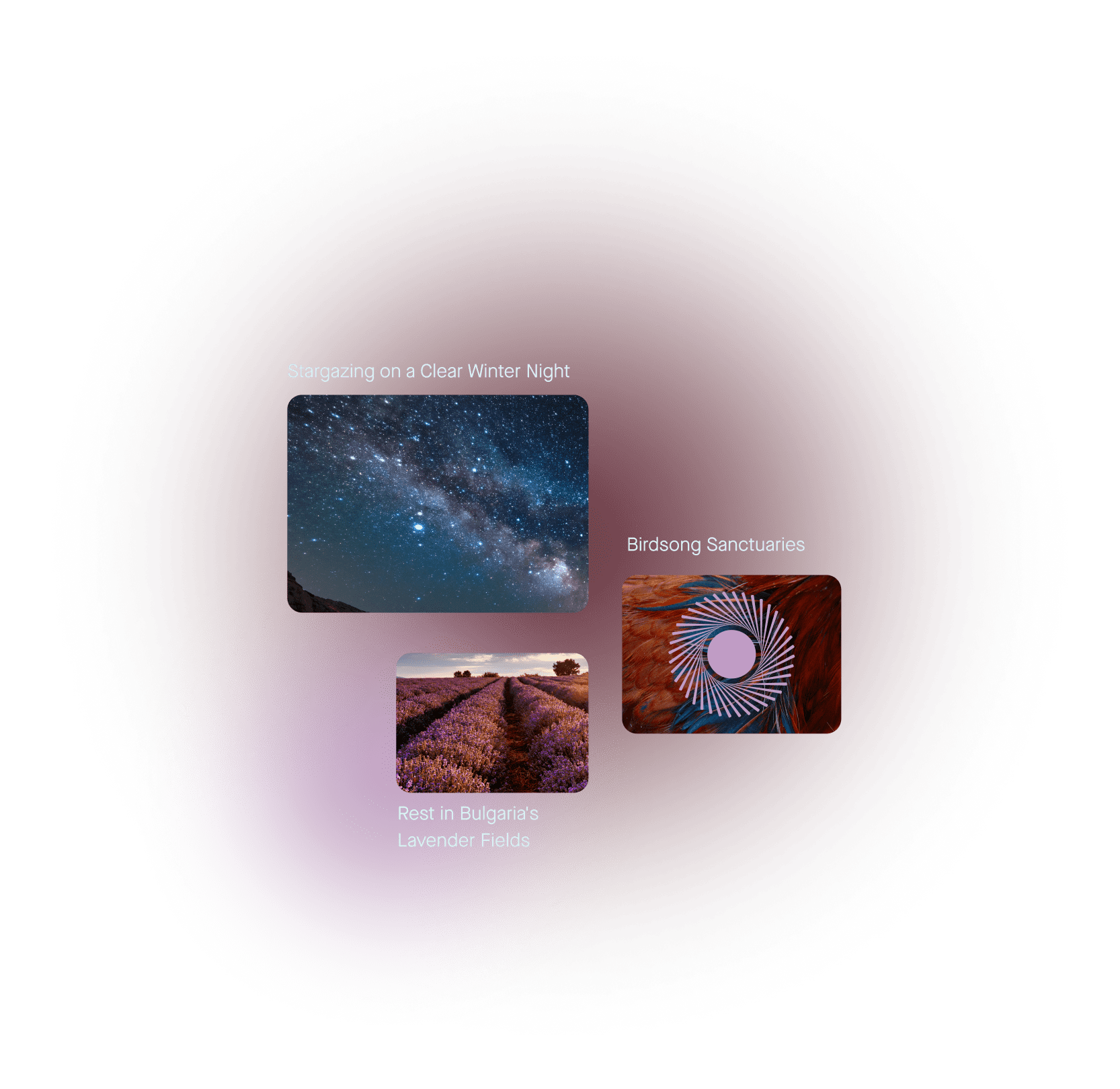
A dark red glowing circular background contains three labeled image cards: a star-filled night sky titled “Stargazing on a Clear Winter Night,” purple lavender fields titled “Rest in Bulgaria’s Lavender Fields,” and a colorful abstract bird-themed image titled “Birdsong Sanctuaries.”

Rest for active minds

Fall asleep to distant loons, soft rain, ocean waves, green noise, and other calming soundscapes

Verdant Silence
More soothing sound
A blue arrow pointing to the right.
More soothing sound
A blue arrow pointing to the right.
Start exploring
A white arrow pointing to the right

Curiosity is deeply human.

No AI-generated content. Just human curiosity, thoughtfully made.

Start exploring
A white arrow pointing to the right
Start exploring
A white arrow pointing to the right
Cream-colored typographic logo on a muted green background reading “made by humans made for,” with curved text above and below the large word “humans.”

We partner with leading cultural, scientific, and health organizations.

Fits easily into your day.

A person with short gray hair stands outdoors with eyes closed and face tilted upward, wearing a light gray collared shirt. The portrait is framed by a thick green circular border.
Five-minute nature walk
A smiling man with glasses and a light shirt looks down at a smartphone he is holding. The portrait is framed by a thick circular border with an orange, pink, and yellow gradient.
Short, restorative breaks
A person with dark hair rests their head on one hand while looking at a glowing smartphone in a dimly lit room. The portrait is framed by a thick blue textured circular border.
Relaxing evening wind-downs
Start exploring
A white arrow pointing to the right
Start exploring
A white arrow pointing to the right
Reviews from members:

Frequently asked questions:

What is The Humane Space?
+

The Humane Space is an app for curious minds designed to make screen time more meaningful. It offers short, human-made experiences that help you learn something new, reflect, relax, imagine, and notice the world around you with fresh eyes.

How does The Humane Space work?
+

Open the app and choose what catches your curiosity. You can explore short reads, reflection prompts, guided visualizations, Awe Walks, soundscapes, and expert-led practices. Most experiences take just a few minutes, so it’s easy to make curiosity part of your day.

What kinds of things can I explore?
+

The Humane Space covers hundreds of subjects across science, nature, art, psychology, history, language, philosophy, creativity, and more. You can follow a single question, explore a theme from different angles, or simply choose whatever sparks your interest in the moment.

How is The Humane Space different from social media or other learning apps?
+

The Humane Space is designed for active curiosity rather than passive scrolling. There are no social feeds, likes, or endless streams competing for your attention. Instead, you choose what interests you and spend a few intentional minutes learning, reflecting, imagining, or noticing.

Is The Humane Space a meditation app?
+

Not exactly. Some experiences can help you slow down, reflect, or relax, but The Humane Space is broader than meditation. It’s built around curiosity, with experiences that help you learn, notice, imagine, and explore the world in more meaningful ways.

Is the content AI-generated?
+

No. The Humane Space is 100% human-made. We like to celebrate human innovation and craft. Our content is created and curated by writers, artists, scientists, educators, psychologists, musicians, and other curious people.

What is included with a subscription?
+

A subscription gives you access to The Humane Space’s full library of experiences, including Immerse short reads, Lingo word stories, Deep Think reflections, Mind Journey® guided visualizations, Awe Walks, soundscapes, expert-led Curiosity in Practice experiences, and new discoveries added regularly.

Can I cancel my subscription at any time?
+

Yes. You can cancel your subscription at any time through the App Store or Google Play. Your access will continue through the end of your current billing period.

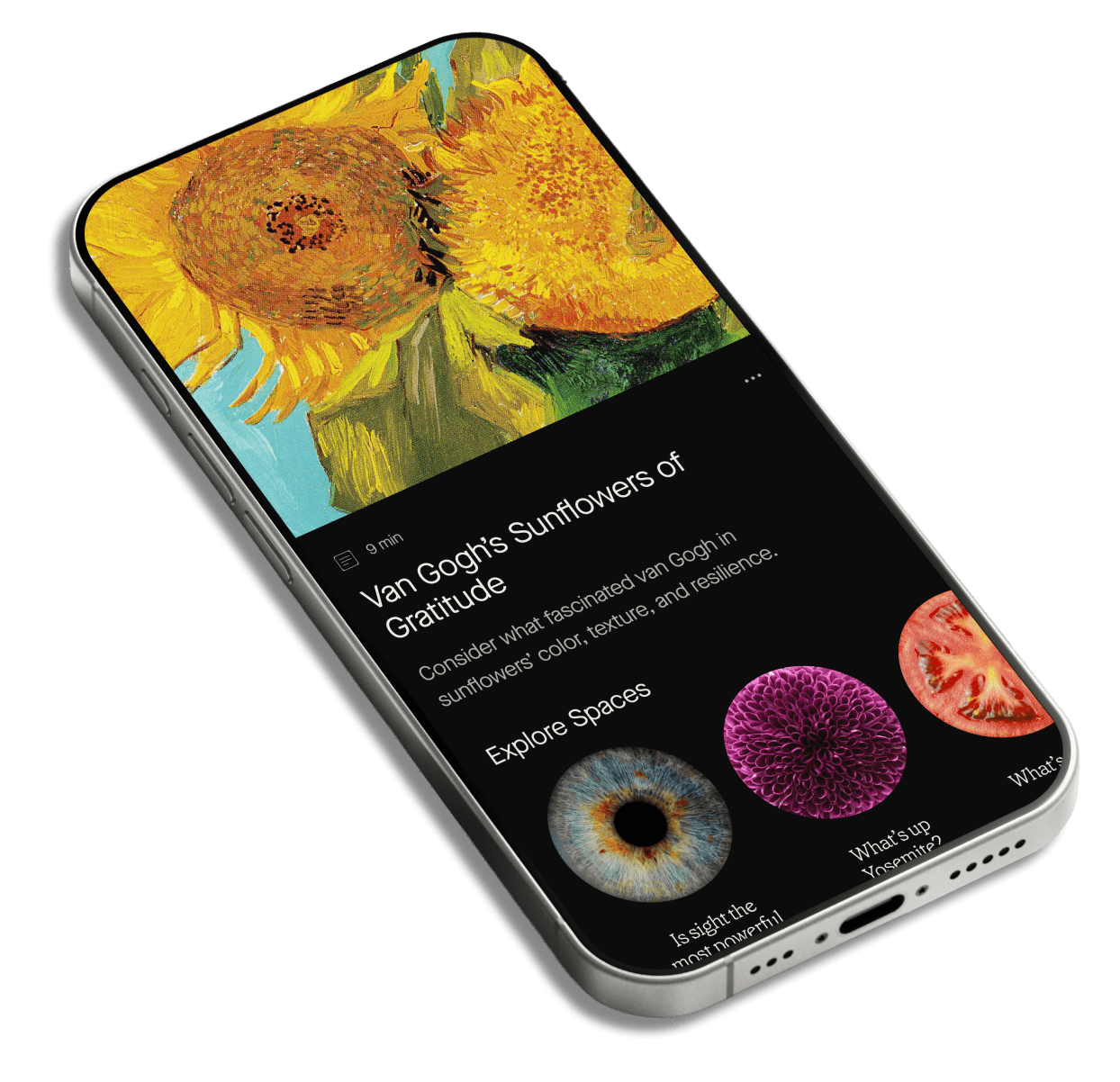
An angled smartphone displays Vincent van Gogh’s Sunflowers above a page titled “Van Gogh’s Sunflowers of Gratitude.” The black interface also shows circular images of an eye, a purple flower, and a tomato under “Explore Spaces.”

Start your curiosity practice today.

Start exploring
A white arrow pointing to the right
Start exploring
A white arrow pointing to the right

Start your journey.

Start your journey.

logo, app store
logo, google play